
Locksmith service
Residential Locksmith Melbourne
Home locks are used more than almost anything else in a property, and they get noticed only when they stop behaving. A key that needs coaxing, a deadbolt that catches, a screen door that will not latch on a hot afternoon — small faults that quietly become daily irritations.
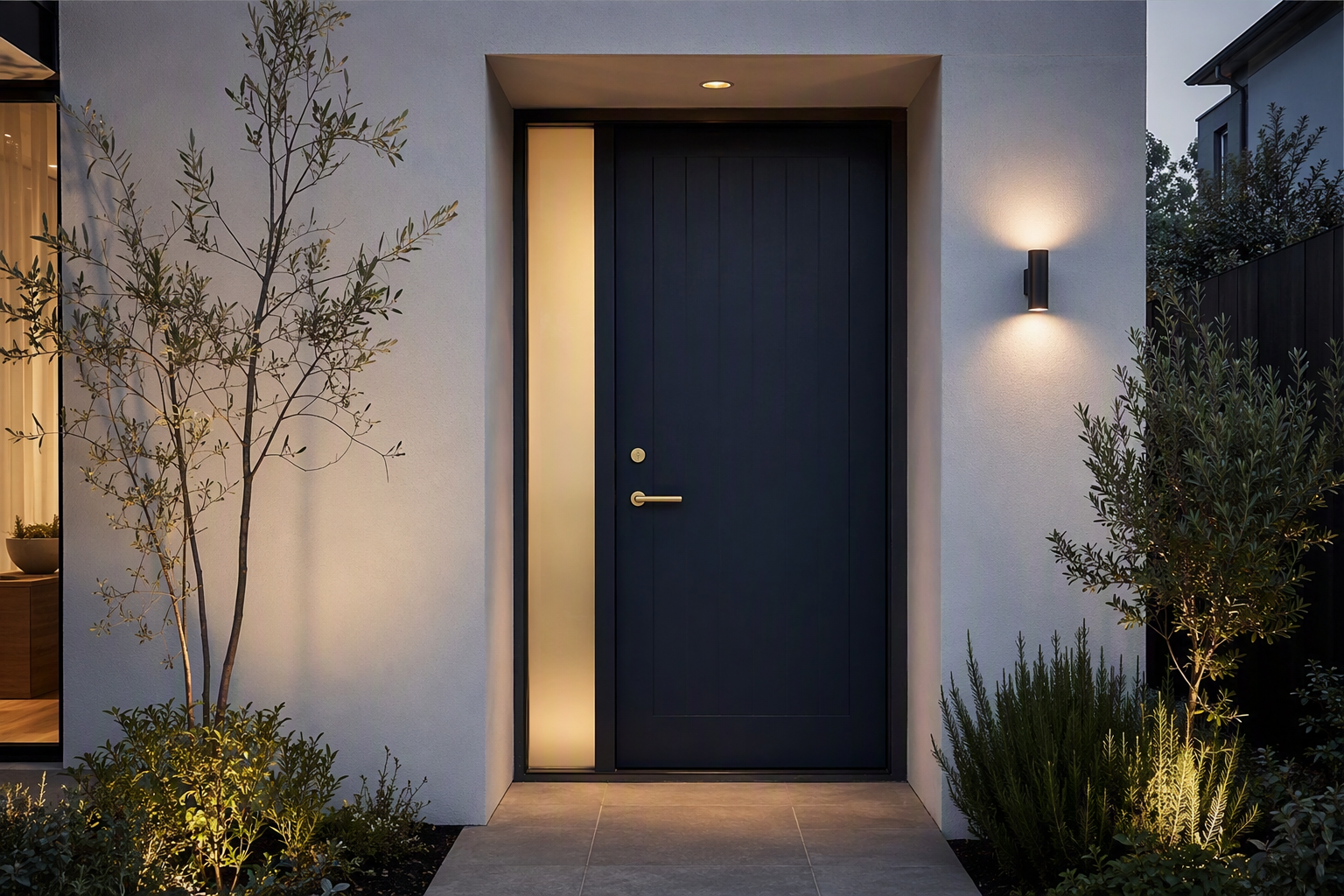
Residential locksmith work covers the whole envelope of a home, not just the front door. Rear doors, side gates, sliding doors, screen and security doors, windows and internal privacy locks all contribute to how secure and how comfortable a house actually is.
What this usually involves
- Front and rear entry door locks and deadbolts
- Sliding door and stacker door locks
- Screen door and security door hardware
- Window locks and keyed window hardware
- Internal door privacy and passage sets
- Rekeying after moving in, moving out or losing a key
- Additional keys for existing household locks
- Practical advice on improving entry security
Melbourne housing stock and what it means for your locks
Melbourne homes carry an unusually wide mix of door hardware. Victorian and Edwardian houses across the inner suburbs often retain original mortice locks in heavy timber doors, where the mortice pocket and existing keyholes shape what can be fitted. Interwar and post-war brick homes commonly have cylinder night latches and aluminium screen doors. Newer townhouses and apartments increasingly use European cylinder or multi-point hardware.
That mix matters because the correct answer for a 1900 terrace door is rarely the correct answer for a 2018 townhouse. Hardware needs to suit the door thickness, the frame, the existing preparation and the way the entry is used.
Common residential problems and their usual causes
Most home lock complaints fall into a small number of patterns, and recognising the pattern usually points straight to the fix.
- Key turns but the bolt does not throw fully — often strike plate alignment or door movement
- Key feels gritty or sticks — often a worn or unserviced cylinder
- Door needs to be pulled or lifted to lock — usually hinge, frame or seasonal timber movement
- Sliding door lock no longer engages — commonly track wear or a dropped door panel
- Screen door will not latch in hot weather — frame expansion and latch adjustment
- Deadbolt loose in the door — fixings, backset or a worn mortice needing attention
Rekeying after moving in or ending a tenancy
When you take over a property you inherit every key that was ever cut for it, and you cannot know how many exist. Rekeying resolves that without replacing sound hardware — the lock stays, the old keys stop working, and you receive a new set.
The same applies at the end of a tenancy or after a housemate moves out. It is usually the least expensive way to regain certainty about who can open a door.
Apartments, owners corporations and shared entries
Apartment work has an extra dimension. Many Melbourne buildings run restricted key systems where the building entry, lift and mailbox are tied to a controlled key, and those keys can normally only be issued through the owners corporation or building manager.
Work inside your own front door — the apartment entry lock, internal doors, balcony sliding doors — is generally straightforward. Where a common-property door or a building master system is involved, building approval is required first, and that is the right process to follow.
Sensible improvements for a Melbourne home
If you want to improve the security of a house without over-capitalising, the highest-value changes are usually simple. A correctly rated deadbolt on the main entry, a reinforced strike plate fixed into the structural frame, working locks on accessible ground-floor windows, and secure hardware on the rear or side door that never gets attention.
Rear and side entries deserve particular thought. They are less visible from the street, which is exactly why they warrant hardware at least as good as the front door.
Questions about residential locksmith
- Can you work on my apartment door?
- Work on your own apartment entry and internal doors is generally straightforward. If the door is common property, or the lock is part of a building master or restricted key system, approval from the owners corporation or building manager is normally required first.
- Do you fit locks to sliding and screen doors?
- Yes. Sliding door and screen door hardware is a routine part of residential locksmith work, and it is often where a home has its weakest hardware.
- Is it worth rekeying rather than replacing when I move in?
- Often, yes. If the existing locks are in good condition and suit the door, rekeying gives you the certainty of new keys without paying for new hardware.
- Can you provide extra keys for the locks I already have?
- In most cases yes, provided the key is not a restricted or patented profile that requires authorisation from the system holder or building manager.
Talk to us about residential locksmith
Describe the door and the hardware, and Kim Locksmith Melbourne Service will explain the realistic options before anything is agreed.
Kim Locksmith Melbourne Service
119 Kavanagh St, Southbank VIC 3006