
Locksmith service
Lock Repair Melbourne
A surprising proportion of "broken" locks are not broken. They are misaligned, unserviced, or reacting to a door that has moved. Repair is the least disruptive and least expensive outcome, and it is worth investigating before replacement.
The important step is diagnosis. Replacing a lock because the door has dropped simply transfers the fault to a new lock, and the same symptom returns within months.
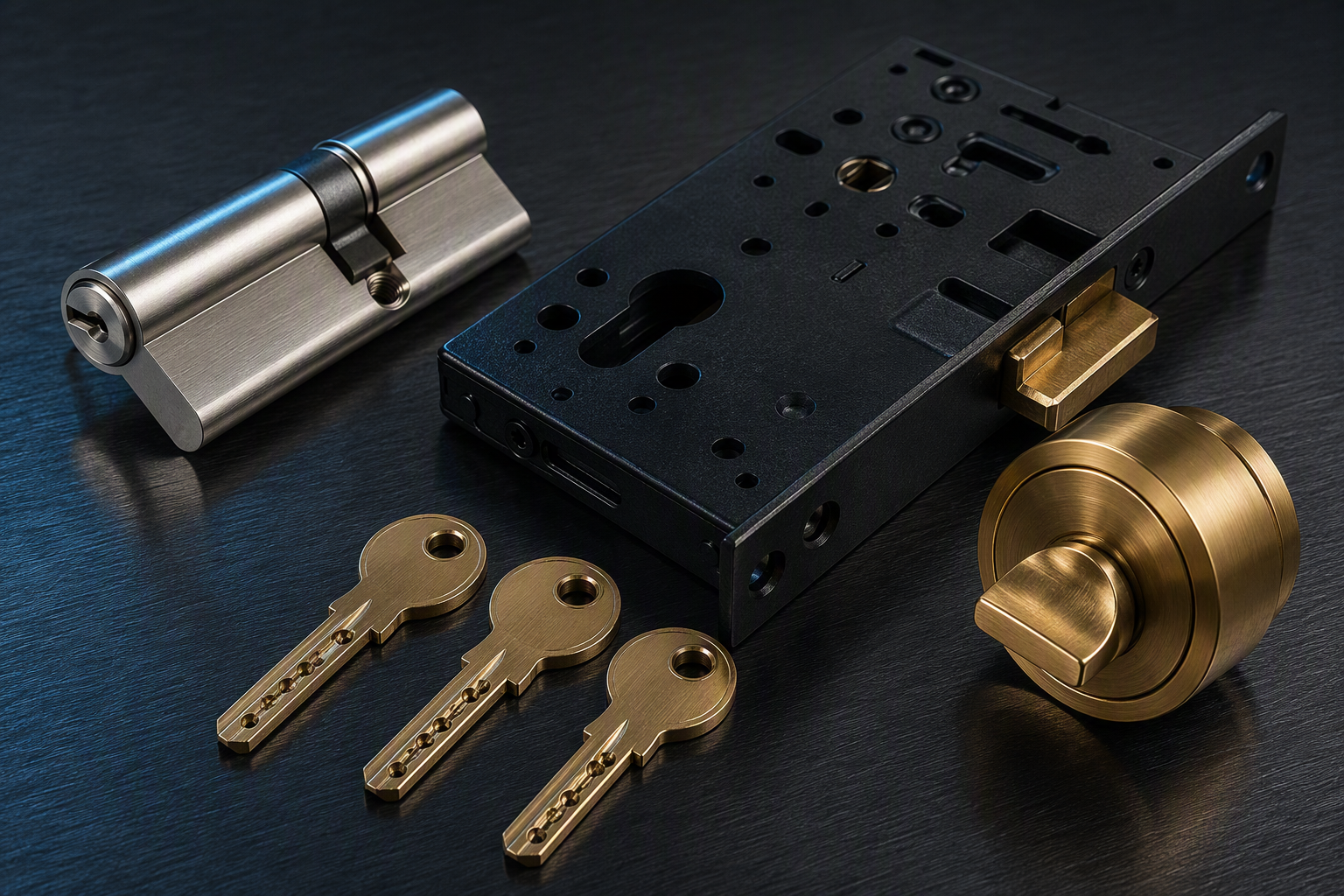
What this usually involves
- Diagnosing stiff, sticking or unreliable locks
- Strike plate and keeper realignment
- Servicing and adjusting cylinders and lock bodies
- Tightening and repairing loose handles and levers
- Sliding door lock and keeper adjustment
- Screen and security door latch adjustment
- Door and frame alignment issues affecting the lock
- Honest advice when repair is not the sensible answer
What actually causes most lock faults
Doors and frames move. Timber responds to Melbourne humidity swings, hinges wear, buildings settle and screws loosen. The lock is usually the component that reports the problem rather than the component that caused it.
- Seasonal timber movement in doors and frames
- Worn or loose hinges letting the door drop slightly
- Strike plate or keeper a few millimetres out of position
- Dry, dirty or unserviced cylinder
- Loose fixings letting handles and levers move
- Debris or wear in a sliding door track
Signs a lock needs attention now
Locks rarely fail without warning. They usually give notice for weeks or months, and acting on the early signal keeps the job small.
If you have to jiggle a key, lift or lean on the door to lock it, turn a key with unusual force, or you notice the bolt no longer throws all the way, the hardware is telling you something. Continuing to force it is what turns an adjustment into a replacement.
The repair process
A repair starts with observation rather than tools: how the door sits in its frame, whether it closes cleanly, where the bolt meets the strike, and how the mechanism feels through its travel.
From there the cause is separated from the symptom. Alignment issues are corrected at the strike, keeper or door. Mechanical stiffness is addressed by servicing or adjusting the mechanism. Loose hardware is refixed properly. The lock is then tested with the door closed, because that is the only condition that matters.
When repair is not the right call
Repair has limits, and pretending otherwise wastes your money. Once internal components have worn past adjustment, once a lock has been physically damaged, or once corrosion has taken hold, a repair becomes a short reprieve rather than a fix.
In those cases you will be told plainly that replacement is better value, along with the reason.
Preventive care that genuinely helps
Locks last considerably longer with small amounts of attention. Keep the keyway clean, avoid hanging weight on handles, have loose fixings tightened before they wear their seats, and address a sticking door before you start forcing it.
If a key is visibly worn, replacing the key rather than the lock is often the cheapest possible fix — a worn key gradually damages a healthy cylinder.
Questions about lock repair
- Can a stiff lock be repaired rather than replaced?
- Frequently, yes. Stiffness is often alignment or lack of servicing rather than a failed lock, and both are repairable.
- My door needs lifting before it will lock. Is that the lock?
- Usually not. That pattern generally points to hinges, door drop or frame movement. Correcting the door or strike alignment resolves it without new hardware.
- Can you repair a lock after an attempted forced entry?
- Sometimes, but the frame, strike and hinges must be checked as well. Where components have been compromised, replacing the affected parts is the safer recommendation.
- Should I lubricate my own locks?
- Keeping a keyway clean is helpful, but heavy or unsuitable lubricants attract grit and can make matters worse over time. If a lock needs more than light attention, have it assessed.
Talk to us about lock repair
Describe the door and the hardware, and Kim Locksmith Melbourne Service will explain the realistic options before anything is agreed.
Kim Locksmith Melbourne Service
119 Kavanagh St, Southbank VIC 3006