
Service area · Melbourne CBD VIC 3000
Locksmith Melbourne CBD
Melbourne CBD packs an unusual variety of doors into a small footprint. Within one block you might find a heritage building with original hardware, an office tower with a base-building access system, a laneway café with a glass entry and a steel rear door, and apartments above all of it.
Locksmith work in the CBD is shaped less by the hardware and more by the context: building management, trading hours, restricted access, and the fact that a door out of action has immediate commercial consequences.
What shapes locksmith work in Melbourne CBD
Office towers and base-building systems
In multi-tenanted towers, the lobby, lifts and after-hours access usually belong to the landlord or building manager, while the tenancy door and internal rooms belong to the tenant. Knowing which side of that line a door sits on determines who can authorise work.
Laneway and rear service doors
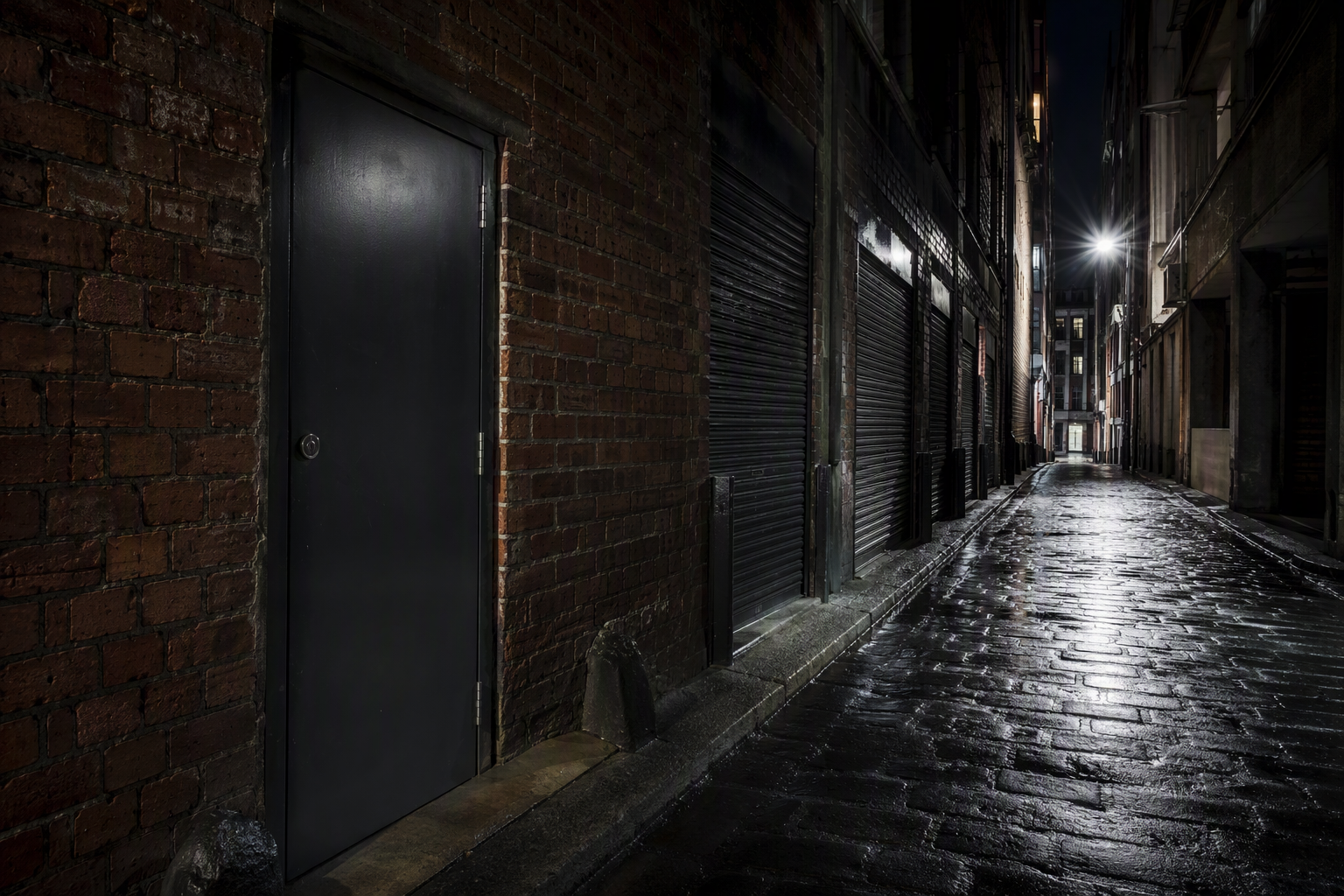
The CBD's laneways are lined with rear and service doors that are frequently the oldest hardware on the premises. They are low-visibility entries carrying real responsibility, and they benefit from hardware equal to the shopfront.
Heritage buildings
Many CBD buildings are heritage listed, and original doors and hardware may need to be retained. That often means servicing existing mortice locks or fitting sympathetic hardware rather than replacing a door outright.
High-traffic glass entries
Retail and hospitality entries in the CBD cycle constantly. Glass door patch fittings, lock bodies and door closers all drift out of adjustment under that volume, and early attention keeps the repair simple.
Trading hours and access windows
Work on a CBD business door often needs to happen outside peak trade, and building loading dock access may be restricted to certain hours. Discussing timing when you book avoids a wasted visit.
Key control in a CBD business
CBD businesses tend to have long histories of keyholders — staff, cleaners, contractors, delivery access and previous tenants. Very few can account for every key that has been cut over the life of the tenancy.
Rekeying resets that baseline, and a restricted key system stops it drifting again by controlling who can cut a copy. For a tenancy with regular staff turnover, that combination is usually the most practical answer.
CBD apartments and mixed-use buildings
A large residential population lives above the CBD retail and office floors, often in converted heritage buildings or mixed-use towers. As with Southbank, building entry and lift access is normally controlled by the owners corporation, while your apartment door is your own.
Mixed-use buildings add a wrinkle: residential and commercial occupants may share some entries and not others, so it is worth confirming with building management which system a particular door belongs to before arranging work.
Exit doors and compliance
CBD commercial premises frequently have doors with a designated exit function. Any hardware on those doors must not compromise the ability to leave the building, and there are clear requirements governing them.
If a door is part of an exit path, say so early. It genuinely changes what can be fitted, and working within those requirements is not negotiable.
Planning a CBD visit
Access details matter more in the CBD than anywhere else. Useful information includes the building name and level, whether there is loading dock or on-street access, whether sign-in at a concierge or security desk is required, and which hours suit the tenancy.
Providing that upfront turns a potentially awkward visit into a routine one.
Melbourne CBD locksmith questions
- Do you service Melbourne CBD?
- Yes. Melbourne CBD is one of our main service areas, and it is a short trip from our Southbank base.
- Who authorises work on my office door?
- A door within your tenancy is generally yours to arrange. Lobby, lift, fire stair and after-hours access doors usually belong to the landlord or building manager and must be authorised through them.
- Can you work on a heritage building door?
- Yes, with appropriate care. Heritage doors often call for servicing existing hardware or fitting sympathetic replacements rather than altering the door, and the approach is discussed with you first.
- Can work be done outside our trading hours?
- Timing can be discussed when you book. Many CBD businesses prefer work outside peak trade, and building access restrictions may also influence when a visit is practical.
Need a locksmith in Melbourne CBD?
Tell Kim Locksmith Melbourne Service about the door and the lock. You will get a plain answer about the realistic options before anything is agreed.
Kim Locksmith Melbourne Service
119 Kavanagh St, Southbank VIC 3006