Blog
Understanding Why Doors Bind Seasonally as Timber Frames Move in Melbourne
Discover why your timber doors bind seasonally in Melbourne due to humidity and temperature, and learn when to make adjustments or seek professional lock repair.
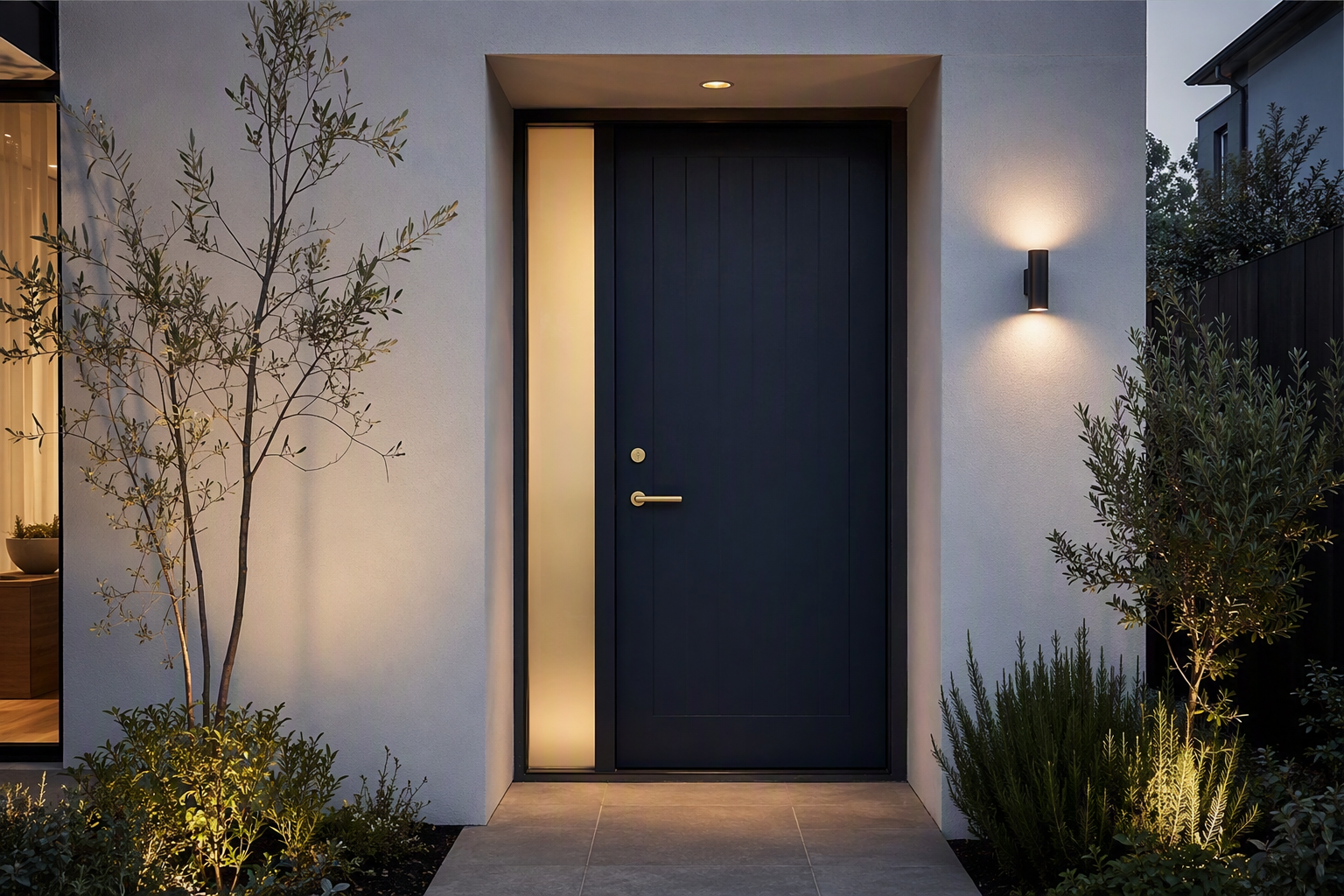
Have you ever noticed your timber door sticking, dragging, or simply refusing to close smoothly at certain times of the year? This common household frustration, often referred to as door binding seasonal timber, is a familiar occurrence for many Melbourne residents. Our city's unique climate, with its distinct seasonal shifts, plays a significant role in how timber doors and their surrounding frames behave. Understanding these timber frame door issues can help you determine whether it's a temporary inconvenience or a sign that professional attention is required.
Timber, being a natural material, is susceptible to changes in its environment, particularly fluctuations in humidity and temperature. These changes cause the wood to expand and contract, directly impacting the fit and function of your doors. What feels like a perfectly balanced door in autumn might become a stubborn obstacle in winter or summer. This article will explore the specific environmental factors in Melbourne that contribute to door binding, explain the common causes behind these seasonal changes, and guide you on what you can do yourself versus when it's best to call a professional for seasonal door adjustments or lock repair.
The Impact of Melbourne's Seasons on Timber Doors
Melbourne is known for its "four seasons in one day" climate, but beyond the daily variations, distinct seasonal patterns profoundly affect timber structures, including your doors and their frames. Understanding these influences is key to comprehending why you might experience door binding seasonal timber.
Humidity's Role in Timber Expansion and Contraction
Humidity is arguably the most significant factor influencing timber doors. Melbourne experiences periods of both high and low humidity. During warmer, wetter months, or after prolonged rain, the air contains more moisture. Timber, being a hygroscopic material, absorbs this moisture from the atmosphere. As the wood cells take on water, they swell, causing the timber door and its frame to expand. This expansion can reduce the clearance between the door and its frame, leading to binding. Conversely, during drier periods, especially in cooler, crisp weather or when heating is used extensively indoors, the timber releases moisture and shrinks. While shrinking might relieve a binding door, it can also lead to other issues, such as rattling or increased drafts.
Temperature Fluctuations and Material Response
While humidity is the primary driver for timber movement, temperature also plays a part. Timber expands slightly when heated and contracts when cooled. In Melbourne, significant temperature swings between seasons, and even day-to-night, can contribute to the overall stress on door frames and the door itself. These thermal expansions and contractions, combined with humidity-driven movement, create a dynamic environment for your door hardware. Furthermore, different materials within a door system – timber, metal hinges, and locking mechanisms – react differently to temperature changes, which can exacerbate alignment issues.
Timber Types and Their Response to Melbourne's Climate
Not all timber is created equal when it comes to responding to environmental changes. Different species of wood have varying densities, grain patterns, and natural moisture content, all of which influence how much they will swell or shrink. Hardwoods, commonly used for external doors due to their durability, tend to be more stable than some softer woods, but they are still susceptible. The way a door is constructed, including how the timber is cut and joined, also impacts its stability. For instance, a solid timber door might behave differently from an engineered timber door or one with a veneer finish. Recognising the timber type in your property can sometimes offer clues to its likely behaviour under varying humidity door problems conditions.
Common Causes of Seasonal Door Binding
Beyond the natural movement of timber, several specific issues can arise that cause your doors to bind seasonally in Melbourne. These can range from direct timber swelling to indirect structural shifts.
Swollen Timber Preventing Smooth Operation
The most direct cause of door binding seasonal timber is the expansion of the timber itself. As discussed, increased humidity causes the wood fibres in the door and door frame to swell. When this swelling exceeds the small clearances designed for smooth operation, the door begins to rub against the frame. This can manifest as difficulty closing or opening the door, a scraping sound, or visible friction marks along the door's edges or the frame. It’s particularly noticeable in older homes with solid timber doors and frames, where decades of environmental exposure can lead to more pronounced material response.
Misaligned Hardware Due to Frame Movement
Seasonal timber movement doesn't just affect the wood itself; it can also impact the hardware attached to it. Hinges, latches, and lock mechanisms are fixed to the timber door and frame. When the frame expands or contracts, these fixed points can shift slightly. Even a millimetre of movement can throw the entire door out of alignment. This misalignment might cause the latch bolt to not fully engage with the strike plate, or the deadbolt to rub against the receiver, making locking and unlocking difficult. Sometimes, simply tightening hinge screws can temporarily alleviate minor misalignment, but if the underlying timber movement is substantial, the issue may recur. For complex lock faults, it can be helpful to read our guide on How to Diagnose a Lock Fault Before Calling a Locksmith in Melbourne.
Foundation Movement and Its Indirect Effects
While less common than direct timber swelling, subtle movements in a property's foundation can also contribute to seasonal door adjustments becoming necessary. Melbourne's soil conditions, particularly the clay soils in some areas, can expand and contract with moisture content, leading to minor shifts in a building's foundation over time. These shifts might be imperceptible to residents but can translate into slight distortions of door frames. A perfectly plumb and square door frame can become slightly twisted or out of square, causing the door to bind in specific spots, even if the door itself hasn't swollen significantly. Such issues are usually more persistent and might require a more comprehensive assessment beyond typical seasonal adjustments.
Simple Adjustments and When to Seek Professional Help
When your timber door starts binding due to seasonal changes, there are a few simple steps you can take yourself. However, it's also important to recognise when the problem is beyond a DIY fix and requires the expertise of a professional, like Kim Locksmith Melbourne Service.
Lubrication and Cleaning for Smooth Operation
Often, a good first step to address door binding seasonal timber is to ensure all moving parts are clean and well-lubricated. Over time, dust, grime, and old lubricants can build up in hinge pins, latch mechanisms, and strike plates, adding to friction.
- Hinges: Apply a silicone-based spray lubricant (not WD-40, which can attract dirt) to hinge pins. Work the door back and forth to distribute the lubricant.
- Latch and Deadbolt: Clean any visible debris from the latch bolt and deadbolt mechanisms. A dry lubricant like graphite powder can be effective for the internal workings of the lock.
- Strike Plate: Ensure the strike plate on the door frame is free of obstructions. Sometimes, paint build-up or minor damage can prevent the latch from entering smoothly.
Regular lock maintenance and lubrication are crucial, especially in Melbourne's variable climate. Our article on Lock Maintenance and Lubrication for Melbourne's Humid and Bayside Conditions offers more specific advice tailored to our local environment.
Minor Adjustments for Temporary Relief
For minor binding, a few simple adjustments might provide temporary relief:
- Tighten Hinge Screws: Loose hinge screws can cause the door to sag, leading to binding. Use a screwdriver to ensure all hinge screws are firmly tightened. Start with the top hinge on the frame side.
- Check Strike Plate Alignment: If the latch isn't catching properly, the strike plate might need a slight adjustment. Sometimes, a file can be used to slightly widen the opening in the strike plate. If it's severely misaligned, it might need to be moved slightly, but this requires precision.
- Shaving the Door (with caution): For very slight binding where the door rubs the frame, very carefully shaving a tiny amount of timber from the rubbing edge can help. This should only be done by someone with experience, as removing too much timber is irreversible and can compromise the door's integrity or aesthetic. Start with a block plane and remove a minimal amount, testing frequently.
When to Call Kim Locksmith Melbourne Service
While simple adjustments can help, there are times when professional intervention is necessary for timber frame door issues. You should contact Kim Locksmith Melbourne Service if:
- The binding is severe and persistent: If the door consistently jams, requires excessive force to operate, or the binding doesn't resolve with minor adjustments.
- Lock mechanisms are compromised: If the lock itself is difficult to engage or disengage due to misalignment or internal issues, it's a security concern. For issues beyond simple lubrication, a professional locksmith can diagnose whether it's a lock repair or replacement job.
- You suspect frame or foundation issues: If the door frame appears warped, twisted, or if multiple doors in your home are exhibiting similar severe problems, it might indicate a larger structural issue requiring expert assessment.
- You're unsure about making adjustments: Attempting to shave a door or reposition hardware without the right tools or experience can cause more damage.
- You have high-security or complex lock systems: For instance, many Victorian-era terraces have intricate Mortice Locks that require specialised knowledge for adjustment or repair.
Kim Locksmith Melbourne Service offers comprehensive residential locksmith solutions and can assess and rectify a range of door and lock issues, ensuring your doors function safely and smoothly again.
Frequently Asked Questions
Why does my timber door bind only at certain times of the year?
Timber is a natural material that reacts to changes in humidity. In Melbourne, during wetter or more humid seasons, timber doors and frames absorb moisture, causing them to swell and bind. During drier periods, they may shrink.
Can I fix a binding timber door myself?
For minor issues, you can try tightening hinge screws, cleaning and lubricating hinges and lock mechanisms, or carefully checking the strike plate alignment. However, for significant binding or lock issues, professional help is recommended to avoid further damage.
What kind of lubricant should I use on my door hinges and locks?
For hinges, a silicone-based spray is generally recommended. For lock mechanisms, a dry lubricant like graphite powder is often suitable. Avoid oil-based lubricants like WD-40 on locks as they can attract dust and grime, worsening the problem over time.
How can I prevent my timber doors from binding seasonally?
While you can't stop timber from reacting to humidity, you can minimise issues with good maintenance. Regular cleaning and lubrication of hinges and locks, ensuring proper ventilation in your home, and maintaining consistent indoor humidity where possible can help. For external doors, proper weatherproofing also plays a role.
When should I call a locksmith for a binding door?
You should contact a locksmith if the door is severely binding, the lock mechanism is difficult to operate, you suspect frame or foundation issues, or if you're uncomfortable making adjustments yourself. Kim Locksmith Melbourne Service can diagnose and repair complex door and lock issues safely.
Conclusion
The phenomenon of door binding seasonal timber is a common challenge for Melbourne homeowners, a direct result of our city's dynamic climate. Timber doors, being organic, naturally expand and contract with fluctuations in humidity and temperature, leading to frustration when they stick, drag, or refuse to close properly. Understanding the underlying causes, from direct timber swelling to the subtle impacts of misaligned hardware or even foundation shifts, empowers you to respond effectively.
While minor issues can often be addressed with simple steps like proper lubrication and tightening screws, it's crucial to recognise the limitations of DIY fixes. For persistent or severe timber frame door issues, especially when lock mechanisms are compromised, seeking professional expertise is the safest and most effective course of action.
Kim Locksmith Melbourne Service is here to assist when your doors require more than a quick fix. We specialise in diagnosing the true cause of door and lock problems, offering honest advice on whether repair, adjustment, or replacement is the best solution. If your residential doors are struggling with Melbourne's seasons, don't hesitate to reach out. Contact Kim Locksmith Melbourne Service today for a reliable assessment and practical solutions to ensure your doors operate smoothly all year round.