Blog
Exploring Window Locks and Secondary Glazing Hardware in Australia
Discover various window lock types in Australia, including secondary glazing hardware, to enhance your home window security and overall property safety. Learn about practical window security solutions for Melbourne homes.
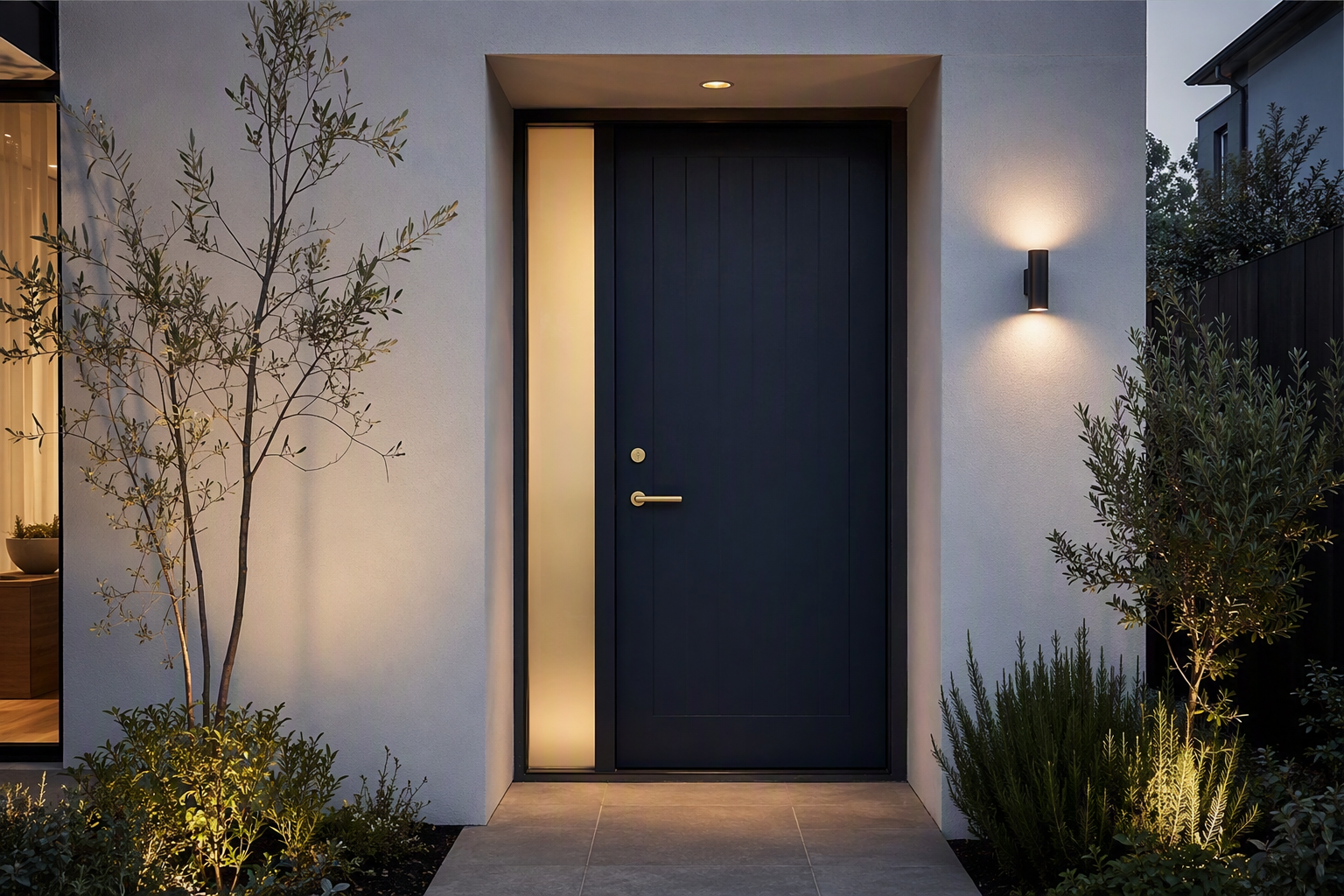
Ensuring the security of your Melbourne home or business often begins at the perimeter, and windows play a crucial role in this defence. Understanding the diverse window lock types Australia has to offer, along with the benefits of secondary glazing hardware, is fundamental to achieving robust home window security. Whether you're upgrading an older property, securing a new build, or simply looking to reinforce existing entry points, there's a range of effective window security solutions available.
Windows, while offering light and ventilation, can also be vulnerable points if not properly secured. The right locking mechanism, combined with suitable frames and glazing, provides peace of mind and protection against unauthorised entry. This comprehensive guide will delve into the various locking mechanisms designed for different window styles, explore the advantages and hardware involved in secondary glazing, and offer practical advice on securing your windows for enhanced property safety in Melbourne.
From the traditional double-hung sash windows found in period homes to modern aluminium sliders in contemporary apartments, each window type presents unique security considerations. By carefully selecting and maintaining appropriate window locks and, where beneficial, incorporating secondary glazing, you can significantly bolster your property's defence. Let's explore how to best protect your premises, starting with the array of window security options at your disposal.
Variety of Window Lock Mechanisms for Different Window Styles
Australian homes feature a wide array of window styles, each requiring specific locking mechanisms to ensure effective security. Understanding these different window lock types Australia homeowners commonly encounter is the first step towards enhancing your property's safety. The choice of lock often depends on the window's material, its opening mechanism, and its age.
For instance, older timber sash windows operate differently from modern aluminium casement or sliding windows, and their locks must reflect these distinctions. A one-size-fits-all approach to window security is rarely effective. Instead, a tailored strategy that considers the unique characteristics of each window in your property will yield the best results for your home window security.
Securing Sliding Windows
Sliding windows, common in many Melbourne homes and apartments, typically consist of one or more panels that slide horizontally or vertically. Standard locks for these include simple latches, but for enhanced security, specific sliding window locks are essential. These can range from track stoppers that prevent the window from opening beyond a certain point, to key-operated locks that secure the sash to the frame.
Another popular option is a "deadbolt" style lock that plunges a bolt into the opposing frame or track, making it incredibly difficult to force open. Ensuring these locks are installed correctly and regularly checked for wear is vital. For robust security on sliding windows, especially those on ground floors, it’s often beneficial to have a professional assess the best type of lock and its optimal placement.
Locks for Casement and Awning Windows
Casement windows, which hinge at the side and open outwards like a door, and awning windows, which hinge at the top and push out from the bottom, also require specialised locking hardware. Common window security solutions for these include cam handles, which rotate to pull the window tight against the frame, and multi-point locking systems. Multi-point locks engage at several points around the window sash, offering superior resistance to forced entry.
For added security, particularly with large casement windows, limit stays can be installed. These allow the window to open only to a certain extent, providing ventilation while maintaining a level of security. Ensure that the hardware is robust and securely fixed to both the window and the frame, resisting common prying techniques.
Traditional Sash Window Security
Traditional timber sash windows, often found in Melbourne's older and period properties, present their own security challenges. These windows typically comprise two sashes that slide past each other vertically. Standard security often involves a "sash fastener" – a crescent-shaped lock that bridges the two sashes, drawing them together. While common, these can sometimes be simple to defeat.
For improved security, additional locks like sash stops (which prevent the sashes from being fully opened or even from moving at all when engaged) or key-operated sash locks can be fitted. These complement the existing fasteners and offer an extra layer of protection. When choosing hardware for heritage properties, consider options that respect the aesthetic while providing modern security, as explored in our guide on Choosing Hardware for Heritage-Overlay Properties in Melbourne.
Benefits and Hardware for Secondary Glazing
Beyond specific window locks, secondary glazing hardware offers another powerful layer of window security solutions for homes and businesses. Secondary glazing involves installing an additional, independent window frame on the inside of your existing window. While primarily known for its insulation and soundproofing capabilities, it also significantly enhances home window security by creating a formidable barrier.
This solution is particularly popular in properties where existing windows cannot be replaced, such as in heritage buildings, or where residents seek to improve energy efficiency and reduce noise without compromising the original window's appearance. The added pane of glass and extra framing material present a substantial deterrent to potential intruders, making forced entry considerably more difficult and time-consuming.
Beyond Insulation: Security Benefits
While secondary glazing is widely recognised for its thermal and acoustic benefits, its contribution to security is often understated. By adding a completely separate layer of glazing and framing, you are essentially creating a double-glazed system, but with a larger air gap and often more robust internal framing. This significantly strengthens the window opening. An intruder attempting to gain access would need to breach two distinct barriers, effectively doubling the effort and increasing the risk of detection.
Furthermore, the types of glass used in secondary glazing can vary, including toughened or laminated glass, which offers even greater resistance to impact. This makes it a smart investment for ground-floor windows or those in easily accessible locations, providing a tangible boost to your overall window security solutions.
Types of Secondary Glazing Systems
Secondary glazing systems come in various forms to suit different window types and aesthetic requirements. Common types include:
- Fixed Panels: Best for windows that do not need to open, offering maximum security and insulation.
- Lift-Out Panels: Allows panels to be removed for cleaning or ventilation, though less secure when removed.
- Hinged Units: Operate like casement windows, allowing access to the primary window. These often feature their own locking mechanisms.
- Sliding Units: Ideal for sash or sliding windows, allowing both panes to slide open for ventilation.
- Vertical or Horizontal Sliders: Similar to primary sliding windows, offering flexible opening options.
Each system uses specialised secondary glazing hardware, including robust frames, secure catches, and often key-operated locks on the internal secondary unit. The strength of the frame material, typically aluminium or uPVC, also plays a role in its security contribution.
Integration with Existing Security
One of the advantages of secondary glazing is that it works in conjunction with your existing window locks. It doesn't replace them; rather, it adds an additional layer. This means that if your original window already has a strong lock, the secondary glazing further reinforces that security by making it harder to reach or tamper with the primary lock.
When installing secondary glazing, it's important to consider how it integrates with your existing windows and their locks. For optimal home window security, ensure that both the primary window and the secondary glazing unit are fitted with appropriate, high-quality locking hardware. For specific advice on different lock types and their terminology, you might find our guide to Understanding Australian Door and Lock Terminology helpful.
Securing Windows for Enhanced Property Safety
Beyond individual lock types and secondary glazing, a holistic approach to window security solutions is crucial for enhanced property safety across Melbourne. This involves looking at windows as part of your entire security ecosystem, considering their placement, accessibility, and the surrounding environment. Thinking about how all elements work together – from locks to alarms and landscaping – provides the most effective deterrent against unauthorised access.
Whether you're in a high-rise apartment in Southbank or a ground-level home in Richmond, every window has specific vulnerabilities and strengths. Addressing these comprehensively ensures a consistent level of protection throughout your property.
Layering Security: Locks, Alarms, and Screens
Effective home window security often relies on a layered approach. While robust window locks are fundamental, they are even more effective when combined with other security measures. For example, window alarms can provide an immediate alert if a window is tampered with or broken, adding an extra dimension to your security strategy. These can be integrated into a broader home security system or function as standalone units.
Security screens, especially those made from strong materials like stainless steel mesh, offer a physical barrier that can deter intruders even when windows are open for ventilation. This combination of physical locks, audible alarms, and strong screens creates a multi-faceted defence, making your windows far less attractive as an entry point. For those moving into a new property, a comprehensive security check, including windows, is a vital step – see our Your Moving House Lock Checklist: Securing Your New Melbourne Home for more details.
Regular Maintenance and Inspections
Even the most advanced window lock types Australia offers can become ineffective if not properly maintained. Regular maintenance and inspection of your window hardware are paramount to ensuring its longevity and functionality. Over time, locks can become stiff, fasteners can loosen, and frames can warp, particularly with Melbourne's varying weather conditions.
Periodically check all window locks for smooth operation, ensuring they engage fully and firmly. Lubricate moving parts as needed with appropriate lock lubricant, and tighten any loose screws. If you notice any signs of wear, damage, or compromise, address them promptly. A broken or malfunctioning lock is no lock at all. For those living in high-rise buildings, understanding who is responsible for these checks is key; our article on Owners Corporation vs. Private Lot: Lock Responsibility in Melbourne High-Rise Buildings provides valuable insights.
Professional Advice for Custom Solutions
While DIY solutions can cover basic needs, obtaining professional advice from an experienced locksmith is invaluable for optimising your window security solutions. A local expert like Kim Locksmith Melbourne Service can assess your specific property, identify unique vulnerabilities, and recommend tailored window lock types Australia-wide that best suit your windows and your security requirements. They can advise on everything from high-security locks to the most effective secondary glazing options.
A professional locksmith can also ensure that all installations meet relevant Australian standards and are fitted correctly, guaranteeing maximum effectiveness. For more complex installations or when upgrading multiple windows, this expertise ensures a seamless and secure outcome, providing you with the peace of mind that your home or business is properly protected.
Frequently Asked Questions about Window Locks and Secondary Glazing
Do all window locks fit all windows?
No, window locks are highly dependent on the type and style of window (e.g., sliding, casement, sash, awning), as well as its material (timber, aluminium, uPVC). Each window type requires specific hardware designed for its particular opening mechanism and construction.
Is secondary glazing worth it for security?
Yes, secondary glazing significantly enhances security by adding an additional physical barrier to your window opening. It makes forced entry considerably more difficult and time-consuming, serving as a strong deterrent alongside its benefits for insulation and noise reduction.
When should I upgrade my window locks?
You should consider upgrading your window locks if they are old, visibly worn, difficult to operate, or if you've recently moved into a new property. Upgrading is also recommended if you're looking to improve your overall home security or if your current locks don't meet modern security standards.
Can secondary glazing be removed for cleaning?
Many secondary glazing systems are designed for easy removal or opening to allow access for cleaning the primary window. Options like lift-out panels, hinged units, or sliding units provide convenience while maintaining the security benefits when closed and locked.
Conclusion
Securing the windows of your Melbourne property is a fundamental aspect of comprehensive home or business safety. By exploring the diverse window lock types Australia has to offer and understanding the significant advantages of secondary glazing hardware, you can make informed decisions to protect what matters most. From specific locks for sliding and casement windows to the added barrier of secondary glazing, a tailored approach to window security solutions is essential.
Remember that effective home window security involves not just individual locks, but a layered strategy, regular maintenance, and the invaluable insight of a professional locksmith. Kim Locksmith Melbourne Service is based locally in Southbank and is ready to assist with expert advice, diagnostics, and precise installation of all types of window security hardware. For honest communication and reliable service, contact Kim Locksmith Melbourne Service today at 03 4059 7723 or email info@kimlocksmithmelbourne.com.