Blog
Your Moving House Lock Checklist: Securing Your New Melbourne Home
Moving to a new home in Melbourne? Use this essential moving house lock checklist to ensure your property security. Learn when to rekey, repair, or replace locks post-move with Kim Locksmith Melbourne Service.
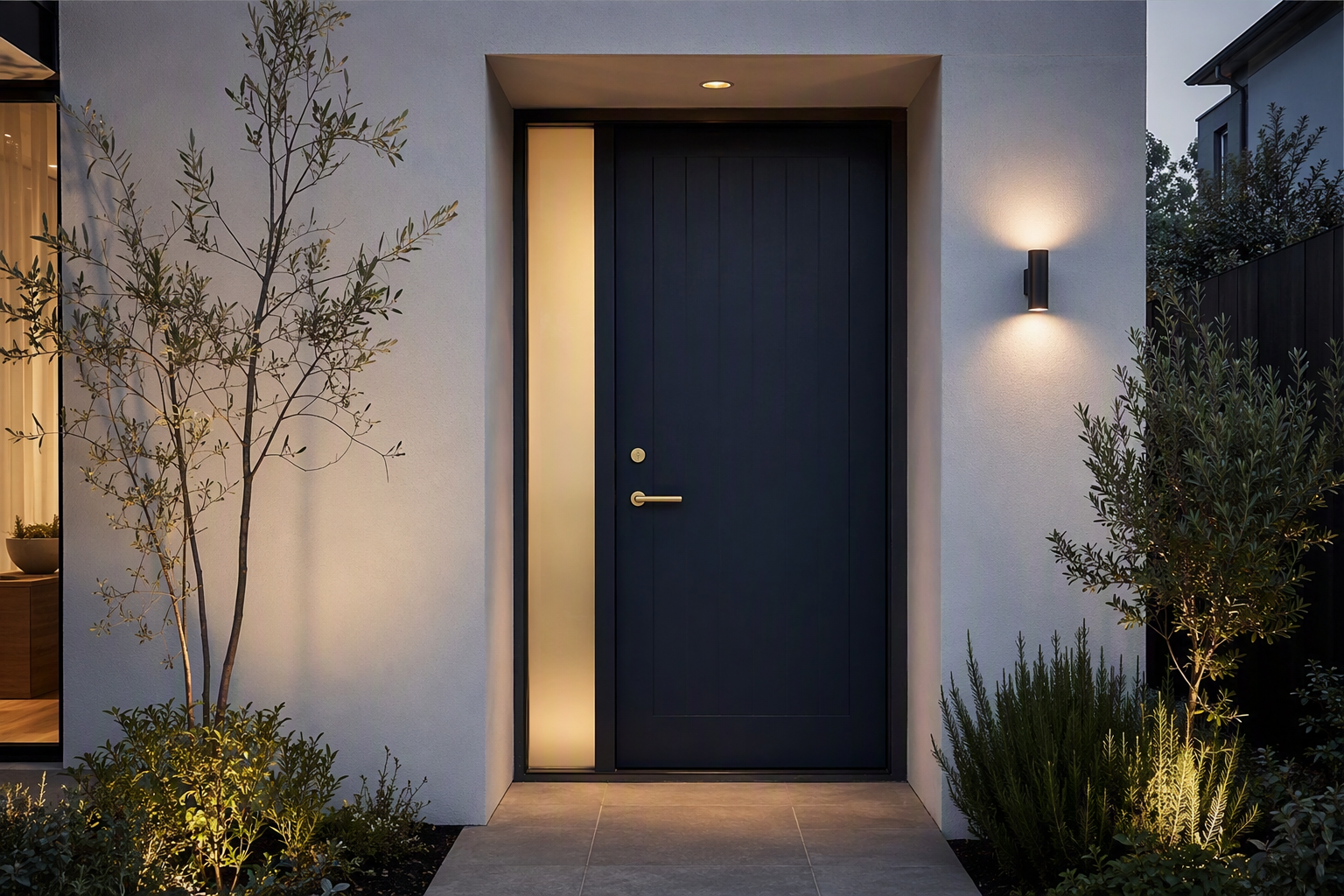
Moving into a new home in Melbourne is an exciting milestone, filled with the promise of fresh beginnings and new memories. Amidst the packing, unpacking, and settling in, it's easy to overlook a critical aspect of your new property: its security. Ensuring the safety of your new space from day one is not just about peace of mind; it's a fundamental step in establishing your home. This moving house lock checklist is designed to guide new Melbourne homeowners and renters through the essential considerations for securing their property.
When you move into a previously occupied residence, whether it's a high-rise apartment in Southbank or a family home in Prahran, there's no way to know who might still have a key. Former residents, builders, cleaners, or even neighbours might possess copies that could compromise your security. Addressing your locks immediately upon moving in is one of the most proactive steps you can take to protect your belongings and your family.
This comprehensive guide from Kim Locksmith Melbourne Service will walk you through immediate lock checks, discuss the vital decision of rekeying versus replacement, and explore additional security measures for your new Melbourne home. By following this checklist, you can transform your new house into a secure sanctuary, giving you the confidence to truly make it your own. Let's make your property security a priority from the moment you receive the keys.
Immediate Lock Checks Upon Moving In
The moment you step through the door of your new Melbourne home, your first task should be a thorough assessment of its existing security. Don't assume the locks are adequate or that only you have keys. A few simple checks can reveal potential vulnerabilities that need immediate attention. This initial inspection is a crucial step in your moving house lock checklist.
Inspect All External Access Points
Start with every door and window that provides access to your property. This includes the front door, back door, sliding doors to balconies or patios, garage entry doors, and even any side gates. For each, visually inspect the condition of the locks and the door itself. Are there any obvious signs of damage, wear, or attempted forced entry? Check that doors close tightly within their frames and that windows latch securely. Loose frames or ill-fitting doors can compromise even the most robust locks.
Pay particular attention to the type of locks present. Are they simple knob locks, or do they include more robust deadbolts? In Melbourne apartment buildings, check the functionality of euro-cylinders and multi-point locking systems often found on balcony sliders. Familiarising yourself with the hardware is key. If you're unsure about the terminology, our guide to Understanding Australian Door and Lock Terminology can provide helpful context.
Assess Lock Functionality and Condition
Beyond visual inspection, test every lock with the keys you've been provided. Do they turn smoothly without sticking or requiring excessive force? Do deadbolts extend fully into the strike plate on the door frame? Any stiffness, grinding, or difficulty in operation could indicate an underlying issue that might worsen over time or, worse, fail when you need it most.
For sliding doors, ensure the locks engage correctly and that the door cannot be easily lifted off its tracks when locked. Similarly, window locks should engage firmly. If any lock feels loose, worn, or difficult to operate, it's a red flag. These issues might require a simple adjustment or could point to the need for a professional repair or replacement. Addressing these promptly prevents minor issues from becoming major security risks.
Identify Key Control Concerns
One of the biggest security risks when moving into a pre-owned property is the uncertainty of how many keys are in circulation. The previous owners, their family members, cleaners, tradespeople, or even property managers may have held copies. For apartment residents, the property's Owners Corporation vs. Private Lot: Lock Responsibility in Melbourne High-Rise Buildings can impact what locks you are responsible for, and therefore, what keys you need to manage.
Consider whether the current keys are generic "blank" keys that are easily duplicated at any hardware store, or if they are part of a restricted key system. While a restricted key system offers greater control over key duplication, it's still essential to confirm that all authorised key holders are known and accounted for. This often leads to the critical decision of rekeying or replacing your locks, which we will explore next.
Rekeying vs. Replacement: Essential Security for Your New Property
Once you've completed your initial lock checks, the next crucial step in your moving house lock checklist is to decide whether to rekey or replace the locks on your new Melbourne home. This decision hinges on factors like the locks' condition, your budget, and your desired level of security. Kim Locksmith Melbourne Service can help you make an informed choice that suits your specific needs.
The Importance of Rekeying After Moving
Rekeying is the process of changing the internal pins of a lock cylinder so that it will operate with a new key, while the existing lock hardware remains in place. This is often the most cost-effective and efficient way to secure your new property, as it immediately renders all old keys useless. For new homeowners and tenants in Melbourne, rekeying is almost always recommended.
Think about it: previous occupants, their friends, contractors, or even real estate agents might still possess keys to your new home. Rekeying eliminates this risk entirely, giving you complete control over who has access. It's a fundamental step towards ensuring your peace of mind. Our dedicated service for Lock Rekeying can provide this essential security upgrade quickly and effectively, often allowing you to keep your existing hardware if it's in good condition.
When Replacement is the Better Option
While rekeying is a great solution for securing existing, functional locks, there are times when full Lock Replacement is necessary. You should consider replacing locks if:
- The locks are damaged or worn: If your initial inspection revealed locks that are stiff, sticky, or visibly corroded, rekeying won't fix these mechanical issues. A new, well-functioning lock will provide better reliability and security.
- The locks are outdated or low-security: Older locks, especially simple spring latch types, may not offer adequate protection against common forced entry methods. Upgrading to a more robust deadbolt or a higher-security lock can significantly enhance your home's defence.
- You desire a different aesthetic: Sometimes, the existing hardware simply doesn't match your personal style or the home's updated decor. Replacing locks can be an opportunity to modernise the look and feel of your doors.
- You want specific features: Perhaps you're looking for smart locks, lever handles for better accessibility, or specific finishes that the current hardware doesn't offer.
Keying Alike for Convenience
Whether you rekey or replace, consider asking your locksmith about "keying alike." This service allows multiple locks on your property (e.g., front door, back door, garage) to be operated by a single key. This greatly enhances convenience, eliminating the need to carry a bulky bunch of keys. It's a small but significant improvement to daily living in your new Melbourne home, making access smoother and simpler for you and your family.
Additional Security Measures for Your New Home
Securing your new Melbourne home goes beyond just the front door. A truly comprehensive approach, as outlined in this moving house lock checklist, considers all potential points of entry and leverages various security enhancements. By thinking holistically about your property's vulnerabilities, you can create a much stronger defence.
Upgrading to More Secure Hardware
If your initial lock assessment revealed basic or outdated hardware, consider upgrading to more robust solutions. This is where a skilled locksmith can provide invaluable advice. Options include:
- High-Quality Deadbolts: A sturdy deadbolt, ideally with a minimum 25mm throw, provides significantly more resistance to forced entry than a standard spring latch. When combined with a good quality strike plate and strong door frame, it forms a formidable barrier. Understanding the difference between a Deadlatch vs. Deadbolt: Understanding Australian Lock Terminology is crucial for making informed choices.
- Restricted Key Systems: For an elevated level of key control, especially for landlords or property managers, a restricted key system is an excellent investment. These systems use unique key profiles that cannot be duplicated by unauthorised individuals, offering superior control over who can make copies of your keys. Learn more about Restricted and Master Key Systems Explained for Melbourne Properties to see if this is right for your needs.
- Reinforced Strike Plates: A lock is only as strong as its weakest point. A standard strike plate (the metal plate fixed to the door frame that the bolt enters) can be surprisingly weak. Upgrading to a heavy-duty, reinforced strike plate with longer screws anchored into the frame studs can dramatically improve kick-in resistance.
Considering Window and Balcony Door Locks
Windows are often overlooked entry points. Many standard window latches offer minimal security. Evaluate all windows, especially those on the ground floor or easily accessible from a balcony or roof. Installing simple, effective window locks can be a quick and relatively inexpensive way to boost your home's security. Options range from key-operated locks to secondary glazing hardware, offering a range of protection. For insights into suitable options, refer to our article on Exploring Window Locks and Secondary Glazing Hardware in Australia.
For apartments or homes with balconies, securing sliding doors is equally critical. Ensure these doors have robust locks and consider additional security bars or pins. Balcony sliders can sometimes be vulnerable to being lifted off their tracks; good hardware helps mitigate this.
Practical Tips for Ongoing Security
Beyond hardware, adopting smart habits is integral to maintaining a secure home:
- Always Lock Up: It sounds simple, but many break-ins occur through unlocked doors or windows. Make it a habit to lock all access points, even if you're just stepping out for a short time.
- Be Mindful of Keys: Keep track of all your keys. Avoid leaving spare keys in obvious "hidden" spots outside your home. If you lose a key, consider rekeying the affected locks promptly.
- Maintain Your Locks: Regular maintenance, including occasional lubrication, can extend the life of your locks and ensure they operate reliably. This is especially important in Melbourne's varying climate. Our guide on Lock Maintenance and Lubrication for Melbourne's Humid and Bayside Conditions offers practical advice.
- Be Neighbourly: Introduce yourself to neighbours. A strong community network often leads to informal vigilance, where neighbours look out for one another's properties.
- Consider Professional Advice: If you're unsure about the best security solutions for your specific Melbourne property, a local locksmith can offer tailored advice and recommend the most effective upgrades.
Frequently Asked Questions About Moving House Lock Security
Q: How quickly should I address the locks after moving into my new Melbourne home?
A: Ideally, addressing your locks should be one of the very first things you do. The sooner you rekey or replace, the sooner you eliminate the risk of previous key holders accessing your property. Many new homeowners schedule this for the day they receive the keys, even before their main furniture delivery.
Q: Can I rekey locks myself?
A: While DIY rekeying kits exist, it's generally recommended to have a professional locksmith handle the job. Rekeying requires precision and knowledge of various lock mechanisms. An incorrect rekey can leave your lock vulnerable or cause it to malfunction. A professional ensures the job is done correctly, offering proper functionality and security.
Q: What's the difference between a deadbolt and a deadlatch?
A: A deadbolt is a separate locking mechanism that is manually operated with a key or turn-snob, featuring a solid bolt that extends deep into the door frame for enhanced security. A deadlatch is typically part of the main door handle assembly and automatically locks when the door closes, preventing the latch from being "pried" open. For a more detailed explanation, see our article on Deadlatch vs. Deadbolt: Understanding Australian Lock Terminology.
Q: Should I rekey or replace the locks if I'm only renting?
A: If you're renting, you should first consult with your landlord or property manager. In many cases, they are responsible for lock maintenance and security. However, you can often request that the locks be rekeyed for your peace of mind. Some agreements might allow you to pay for the rekeying, provided a copy of the new key is given to the landlord. Understanding your Residential Tenancy Keys: What Happens at the End of a Lease in Victoria can help clarify responsibilities.
Q: What if I have a heritage-overlay property in Melbourne?
A: For heritage-overlay properties, special considerations apply to ensure any new hardware complements the property's historical integrity while providing modern security. It's best to consult with a locksmith experienced in working with period homes who can advise on suitable hardware that meets both heritage requirements and security needs. Our guide on Choosing Hardware for Heritage-Overlay Properties in Melbourne offers more insights.
Secure Your Sanctuary with Kim Locksmith Melbourne Service
Moving into a new home in Melbourne is an exciting journey, and ensuring its security should be a top priority on your moving house lock checklist. By taking the time to inspect your existing locks, making informed decisions about rekeying or replacement, and implementing additional security measures, you are investing in your peace of mind and the safety of your family and belongings.
Remember, the uncertainty of who might hold old keys is a tangible risk that can be easily mitigated. Kim Locksmith Melbourne Service is here to assist new residents across Melbourne, from Southbank to Richmond, Docklands to St Kilda, with reliable and honest advice. We focus on diagnosing issues, explaining the best course of action – be it repair, rekey, or replacement – and ensuring clear communication every step of the way.
Don't leave your new home's security to chance. For expert advice and trustworthy locksmith services that help you secure your new Melbourne home, reach out to a local professional. Take the final step in truly making your new house a secure home.
For a comprehensive consultation or to schedule a service for your new Melbourne property, please contact Kim Locksmith Melbourne Service today.