Blog
Mortice Locks in Victorian-Era Terraces: Security and Aesthetics
Explore mortice locks in Melbourne's Victorian terraces, balancing security upgrades with preserving heritage aesthetics. Learn about their function, common issues, and repair vs. replacement options.
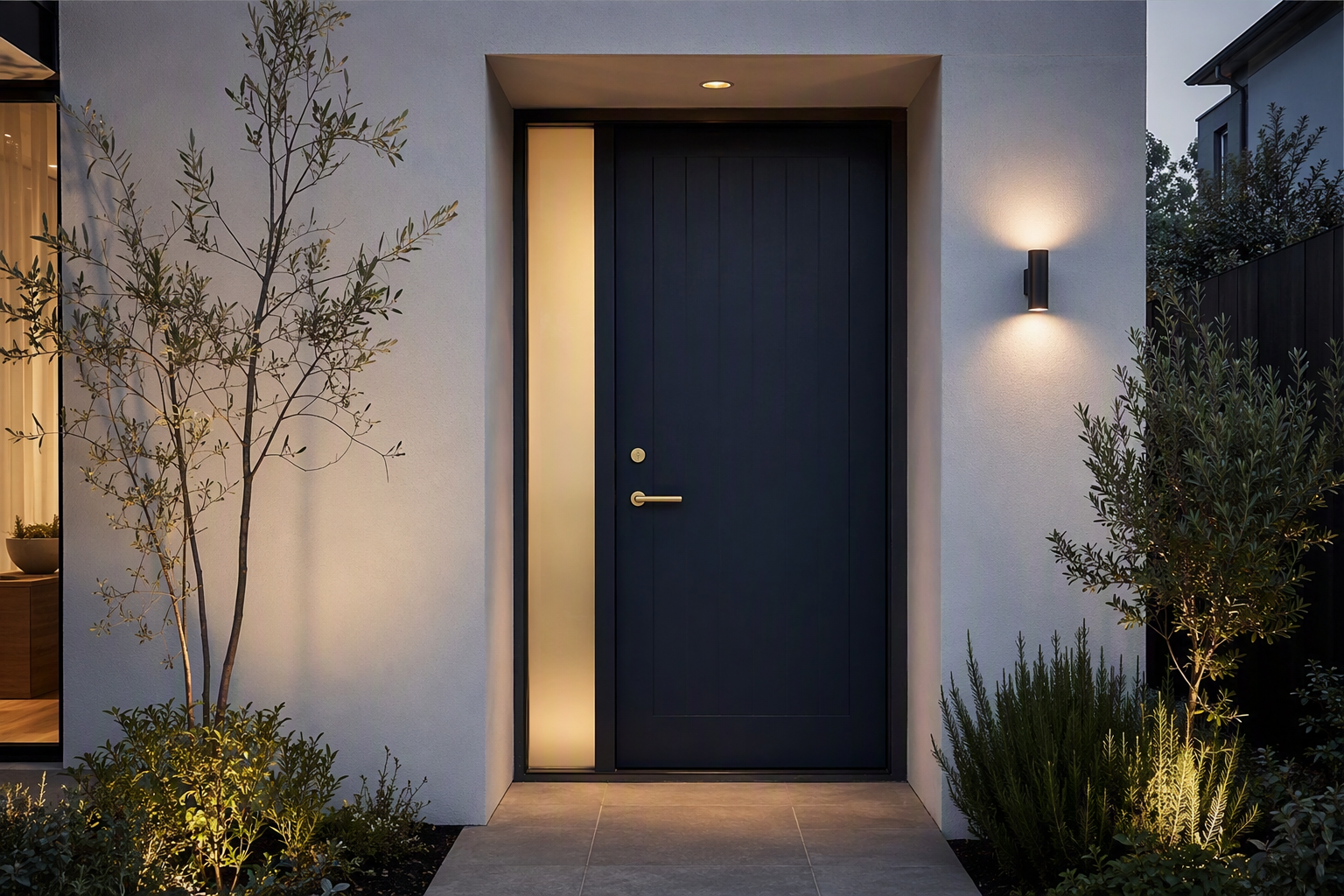
Melbourne's Victorian-era terraces are architectural treasures, renowned for their intricate details, high ceilings, and timeless charm. These homes, often found in suburbs like Fitzroy, Carlton, and South Melbourne, frequently feature traditional mortice locks. A mortice lock in Victorian terraces isn't just a security device; it's an integral part of the home's heritage and aesthetic identity. Understanding these locks is crucial for any owner looking to maintain both the historical integrity and modern security of their property.
While these beautiful period homes evoke a sense of history, their original locking mechanisms can present unique challenges. Homeowners face the delicate task of preserving authenticity while ensuring their property is adequately protected against contemporary security threats. This article will delve into the history and function of mortice locks, discuss common issues and maintenance, and explore how to balance heritage aesthetics with robust security requirements. Whether you're a long-time owner or new to a period property, navigating the specifics of these traditional locking systems is key to safeguarding your investment and your peace of mind.
The History and Function of Mortice Locks in Heritage Homes
Mortice locks have been a staple of architectural security for centuries, playing a particularly significant role in Victorian-era construction across Melbourne. Unlike modern rim locks that attach to the surface of a door, a mortice lock is housed within a "mortice"—a pocket cut into the edge of the door itself. This design makes the lock mechanism largely invisible when the door is closed, contributing to a clean and integrated appearance that complements the elegant lines of Victorian terraces.
These locks typically consist of a sturdy metal box containing the locking mechanism, which operates a bolt or series of bolts that extend into the door frame. Many traditional mortice locks found in period homes are either sash locks (which include a latch operated by a handle and a bolt operated by a key) or deadlocks (which only have a bolt operated by a key, offering higher security). The substantial nature of these internal mechanisms, often crafted from brass or iron, contributed to their perceived strength and durability at the time of installation.
Anatomy of a Traditional Mortice Lock
A classic mortice lock incorporates several key components. The most visible is the faceplate, which sits flush with the door edge. The main body of the lock, known as the case, contains the intricate lever mechanism. These levers, often numbered and unique to each lock, prevent the bolt from retracting unless the correct key lifts them to the precise height. The key itself is usually a 'warded' or 'lever' key, distinct from the smaller, modern cylinder keys. This complex internal structure was designed to provide a high degree of security for its era, making lock-picking a challenging task without the correct key.
Why Victorian Terraces Favoured Mortice Locks
Victorian builders and homeowners appreciated mortice locks for their robust construction and integrated appearance. They offered a solid level of security for the time, blending seamlessly into the elaborate joinery and decorative features common in terraces. The ability to recess the entire mechanism within the door maintained the aesthetic purity of the timber, aluminium, or glass doors, ensuring that the hardware didn't detract from the architectural grandeur. This focus on both function and form cemented the mortice lock's place as the standard for quality Victorian homes.
Common Issues and Maintenance for Older Mortice Locks
While the mortice locks in Melbourne's Victorian terraces are built to last, decades of use and environmental exposure can lead to specific issues. Owners often encounter problems such as keys that stick, bolts that don't retract smoothly, or mechanisms that feel stiff and difficult to operate. These issues are not only inconvenient but can also compromise the security of your period home.
Melbourne's climate, with its varying humidity and occasional salt-laden air, especially for properties near the bayside, can accelerate the wear and tear on these mechanisms. Metal components can corrode, accumulate dust and debris, or simply wear down over time, affecting the lock's precise operation. Ignoring these signs can lead to more significant damage or even complete lock failure.
Diagnosing Lock Problems in Period Homes
Before calling a locksmith, it can be helpful to perform a basic assessment if your mortice lock is acting up. Does the key turn freely? Does the bolt move without catching? Is there any visible rust or damage to the keyway or faceplate? Often, what appears to be a major malfunction might be due to minor issues such as accumulated grime or a slightly bent key. For a comprehensive guide on initial troubleshooting, you might find our article How to Diagnose a Lock Fault Before Calling a Locksmith in Melbourne particularly useful. Understanding Australian door and lock terminology can also help clarify the issue when communicating with a professional locksmith.
Practical Care for Heritage Locks
Regular maintenance is key to extending the life of your heritage mortice locks. This includes periodic cleaning and appropriate lubrication. For older mechanisms, it's crucial to use a suitable lubricant, typically a graphite-based or silicone spray, rather than oil-based products that can attract dust and eventually gum up the works. A little preventative care can go a long way in ensuring smooth operation and preventing costly repairs. Our detailed guide on Lock Maintenance and Lubrication for Melbourne's Humid and Bayside Conditions offers specific advice tailored to the local environment.
Balancing Authenticity with Modern Security Requirements
One of the primary concerns for owners of Victorian terraces in Melbourne is how to enhance security without sacrificing the authentic aesthetic that defines their property. Original mortice locks, while historically significant, may not always meet contemporary security standards, especially in high-density urban areas. The goal is to integrate modern protection seamlessly while respecting the heritage fabric of the home.
For properties under a heritage overlay in Melbourne, any modifications to external features, including door hardware, must often adhere to strict guidelines. This requires thoughtful consideration and sometimes creative solutions to upgrade security discreetly.
Upgrading Security Discreetly
Several strategies can be employed to improve the security of your period home without compromising its visual appeal. One approach is to reinforce existing mortice locks. This might involve strengthening the strike plate on the door frame, ensuring the door and frame are robust, and checking the integrity of the door hinges. Adding supplementary locking mechanisms, such as robust deadbolts, can provide an additional layer of security. These can often be installed in a way that minimises their external visual impact, perhaps on the inside of the door or positioned to be less conspicuous.
For those concerned about key management, especially if the property has had multiple owners or tenants, considering a Restricted and Master Key Systems Explained for Melbourne Properties can be a smart move. These systems offer superior key control and can be designed to work with existing period hardware, ensuring old keys cannot be duplicated or used by unauthorised individuals.
Preserving Period Charm
When choosing new hardware or making modifications, it's important to select products that complement the era of your home. Many manufacturers now offer reproduction heritage hardware that matches the style and finish of original Victorian pieces, including faceplates and escutcheons for mortice locks. A professional locksmith with experience in period properties can advise on options that blend modern security features with a classic look. For a deeper dive into making appropriate choices, refer to our article on Choosing Hardware for Heritage-Overlay Properties in Melbourne. This ensures that any security upgrades enhance, rather than detract from, the inherent beauty of your Victorian terrace.
When to Repair, Rekey, or Replace Your Mortice Locks
Deciding whether to repair, rekey, or fully replace the mortice locks in your Victorian terrace is a common dilemma. Each option has different implications for cost, security, and the preservation of your home's heritage. Making the right choice often depends on the lock's current condition, your security needs, and the historical significance of the hardware.
Repair is often the most cost-effective solution for minor issues. If a key is simply sticking or a spring is worn, an experienced locksmith can frequently disassemble the lock, clean or replace internal components, and restore it to full working order. This preserves the original hardware, which can be important for heritage properties.
Rekeying is a process where the internal pins of the lock cylinder are changed, rendering all old keys useless and allowing a new set of keys to operate the lock. This is particularly useful when you've just moved into a new home and want to ensure previous owners or tenants no longer have access. It's a security upgrade without replacing the entire lock mechanism. If you're Moving House Lock Checklist: Securing Your New Melbourne Home, rekeying is often a crucial first step.
Understanding Locksmith Recommendations
A reputable locksmith will assess the condition of your mortice lock and provide an honest recommendation. They will consider factors such as the extent of wear, the availability of parts for older mechanisms, and whether the lock can truly be brought up to a satisfactory security standard through repair alone. Sometimes, a lock might be beyond economical repair, or its inherent design might be too vulnerable for modern security expectations.
Cost-Benefit Analysis for Heritage Lock Solutions
While preserving original features is desirable, there's a point where repair costs outweigh the benefits, or the security offered is simply inadequate. In such cases, replacing a mortice lock might be the best course of action. This doesn't necessarily mean installing a jarringly modern lock. Options exist for new mortice locks designed to mimic traditional styles while incorporating modern security features, or even fitting high-security mechanisms that are discreetly integrated. Discussing these options with Kim Locksmith Melbourne Service can help you find a balanced solution that respects your home's character and meets your security needs.
Frequently Asked Questions About Mortice Locks
Q: Can a very old mortice lock be made more secure without being replaced?
A: Often, yes. A locksmith can reinforce the existing lock by strengthening the strike plate, using longer screws for the faceplate, and ensuring the door and frame are robust. Adding a separate, discreetly installed modern deadbolt can significantly enhance security while keeping the original mortice lock.
Q: How do I know if my mortice lock needs professional repair or replacement?
A: If your key consistently sticks, the bolt doesn't engage smoothly, the lock feels loose, or you notice visible damage or excessive rust, it's time to call a professional. A locksmith can assess whether a repair is feasible and cost-effective, or if replacement with a more secure or period-appropriate alternative is better.
Q: Are replacement parts for Victorian-era mortice locks still available in Melbourne?
A: For many common mortice lock designs, some replacement parts can still be sourced, or a skilled locksmith can fabricate simple components. However, for very unique or obscure mechanisms, finding original parts can be challenging. A locksmith with experience in heritage hardware will know the best approach.
Q: What is the benefit of rekeying a mortice lock instead of replacing it?
A: Rekeying changes the internal mechanism so that only new keys will operate the lock, making old keys useless. This is a quicker and often more affordable solution than full replacement, especially when the lock itself is in good working order but you need to revoke access for previous key holders (e.g., when moving into a new home).
Secure Your Heritage: Expert Advice for Your Victorian Terrace Locks
Maintaining the security and aesthetic appeal of your Victorian-era terrace in Melbourne requires a thoughtful approach, particularly when it comes to its locks. Mortice locks, while steeped in history, demand attention to ensure they provide adequate protection in today's world. From understanding their intricate mechanisms to addressing common issues and carefully considering modern upgrades, the journey balances preservation with practicality.
The decision to repair, rekey, or replace these integral components should always be informed by a clear understanding of your property's needs and the options available. With the right maintenance and strategic enhancements, you can ensure your heritage home remains secure for years to come.
For personalised advice and expert service regarding the mortice locks in your Melbourne Victorian terrace, connect with Kim Locksmith Melbourne Service. Our team is dedicated to providing honest, plain-spoken solutions that respect your home's character while prioritising your security. Contact us today for an assessment and to discuss how we can help safeguard your valuable property.