Blog
Lock Maintenance and Lubrication for Melbourne's Humid and Bayside Conditions
Keep your Melbourne locks functioning smoothly. Learn essential lock lubrication and maintenance tips for humid and coastal properties to prevent common issues. Kim Locksmith Melbourne Service offers expert advice.
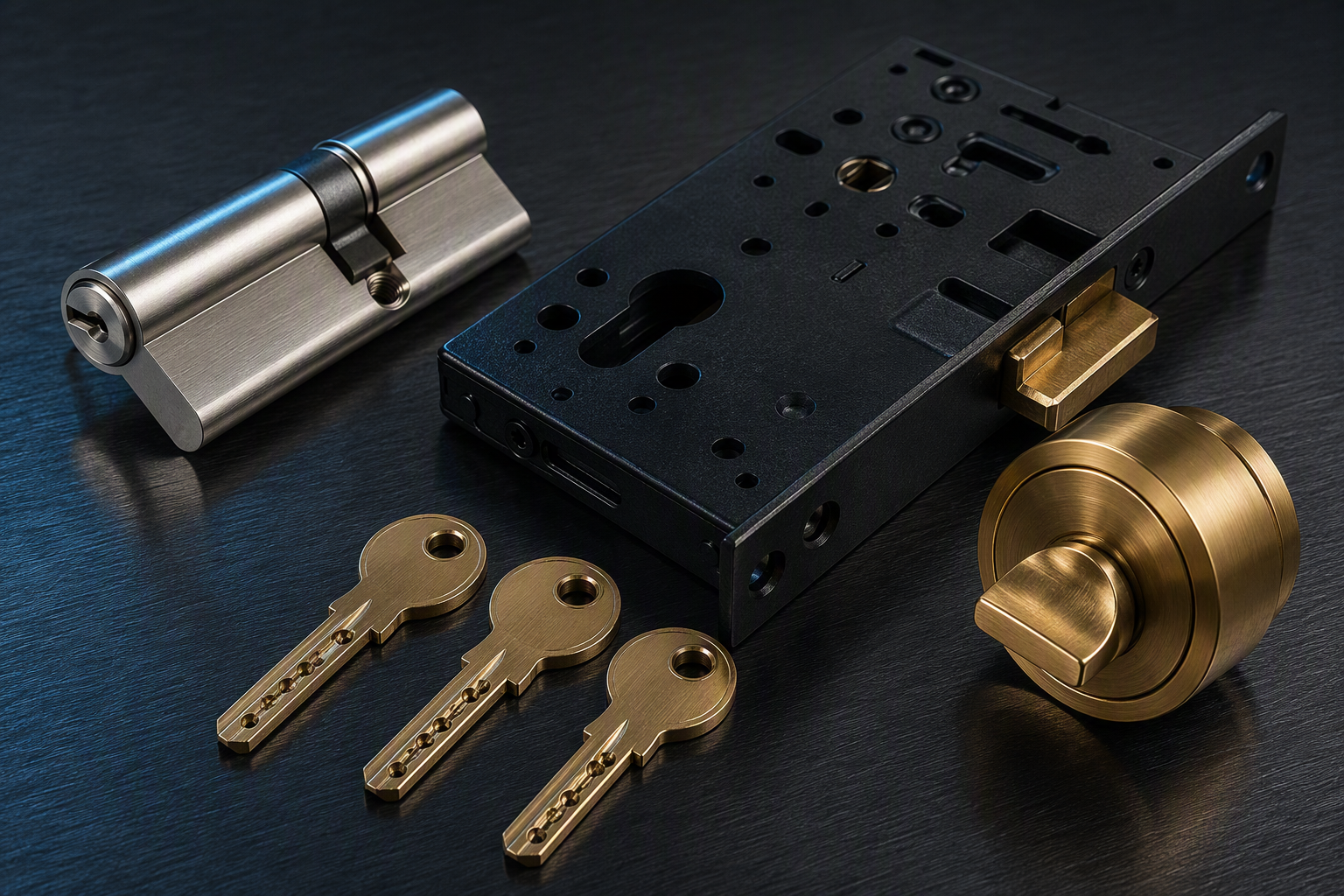
Living in Melbourne, especially in its vibrant inner-city and bayside areas, offers a unique lifestyle. However, the city's climate, characterised by its often humid conditions and proximity to the bay's salty air, presents distinct challenges for the longevity and smooth operation of your property's locks. Just like any mechanical device, locks require regular care to perform reliably. Neglecting them can lead to frustrating issues like stiff mechanisms, keys getting stuck, or even complete lock failure, compromising your security and peace of mind.
This guide from Kim Locksmith Melbourne Service will help you understand why Melbourne's specific environmental factors demand a proactive approach to lock care. We'll delve into the best practices for lock lubrication maintenance, outlining the right products and techniques to use, and highlight common signs that your locks are crying out for attention. By implementing these practical tips, you can significantly extend the life of your hardware, ensure consistent security, and avoid unexpected inconvengience.
Taking a few moments to properly care for your locks can save you from future headaches and potential security risks. Whether you're in Southbank, the CBD, or a coastal suburb like St Kilda, understanding how to protect your locking mechanisms from the elements is crucial for every property owner. Let's explore how to keep your doors opening smoothly and securely for years to come.
Why Melbourne's Climate Impacts Lock Performance
Melbourne's weather patterns, while diverse, often feature periods of high humidity, particularly during the warmer months. For properties located near Port Phillip Bay, the presence of salt in the air adds another layer of environmental stress. These factors combine to create a challenging environment for both exterior and interior door hardware, accelerating wear and tear on your locks.
Humidity is a major culprit. When moisture gets into the intricate internal mechanisms of a lock, it can lead to rust and corrosion, even on seemingly robust materials. Tiny metallic components, springs, and pins can seize up, making the key difficult to turn or causing the lock to jam entirely. Over time, this constant exposure to moisture can degrade lubricants, turning them into a sticky, abrasive paste rather than a protective film. This is particularly true for residential properties where Understanding Why Doors Bind Seasonally as Timber Frames Move in Melbourne can also be a factor, putting extra strain on the lock's alignment.
For properties in bayside suburbs like St Kilda or Port Melbourne, the salt content in the air introduces an additional corrosive element. Salt particles can settle on lock surfaces and penetrate mechanisms, accelerating the oxidation process. This means a lock exposed to salt air will likely degrade faster than one in a drier, inland environment if not properly maintained. Whether it's the euro-cylinder on your apartment door or the mortice lock on a period home, all hardware can be affected. Recognising these specific environmental challenges is the first step in implementing an effective Melbourne lock care strategy.
Best Practices for Lock Lubrication and Cleaning
Effective lock maintenance involves more than just spraying a general-purpose lubricant into the keyway. Choosing the right products and applying them correctly is crucial for achieving lasting results, especially with Melbourne's unique climate.
Choosing the Right Lubricant
Not all lubricants are suitable for locks. Avoid using petroleum-based products like WD-40, which can attract dirt and dust, turning into a gummy residue that actually worsens the problem over time. Instead, opt for products specifically designed for locks:
- Graphite Powder: This is a dry lubricant that won't attract dust or gum up the mechanism. It's excellent for internal lock parts, especially in cylinders. A small puff into the keyway and then working the key in and out is usually sufficient.
- Silicone-Based Sprays: These are also dry lubricants once the carrier solvent evaporates. They create a slippery, protective film that repels moisture and doesn't attract dirt. Look for products specifically labelled as "lock lubricant" or "dry silicone spray."
- PTFE (Teflon) Based Sprays: Similar to silicone, these provide a low-friction coating and are resistant to water. They are excellent for protecting mechanisms from humidity and corrosion.
Always check the product label to ensure it's safe for your specific lock type and material, especially if dealing with delicate or specialised hardware.
Cleaning Your Locks Before Lubrication
Before applying any lubricant, it's essential to clean out any existing dirt, dust, or old, congealed grease. This prevents you from simply locking in the contaminants.
- Use Compressed Air: A can of compressed air can effectively blast out loose debris from the keyway and around the bolt mechanism.
- Clean Exterior Surfaces: Use a soft cloth to wipe down the lock's exterior, removing grime and dust. For more stubborn build-up, a very mild detergent solution on a cloth, followed by thorough drying, can be used.
- For Cylinders: Insert the key and turn it back and forth a few times, then remove it and wipe off any residue. Repeat this process until the key comes out clean.
Applying Lubricant
Once clean, apply your chosen lubricant sparingly:
- For Keyways: A small squirt of graphite powder or a brief spray of silicone/PTFE lubricant directly into the keyway is enough.
- For Latches and Bolts: If visible, spray a small amount onto the moving parts of the latch, deadbolt, or internal mechanism. Work the door handle and turn the key several times to distribute the lubricant evenly.
- For Hinges: While not part of the lock, stiff hinges can put strain on a lock. A silicone spray can also be used on door hinges to ensure smooth operation.
Frequency of Maintenance
For homes and businesses in Melbourne's humid conditions, or particularly those in coastal property areas, performing this maintenance every six to twelve months is a good practice. High-traffic locks might benefit from more frequent attention. This proactive approach significantly reduces the chance of unexpected lock failures.
Identifying Signs Your Locks Need Attention
Being attentive to the performance of your locks can help you address minor issues before they escalate into major problems, potentially saving you the cost and inconvenience of an urgent repair or replacement. Regular inspection and prompt action are key aspects of effective Melbourne lock care.
Here are some common signs that your locks require immediate attention and potentially professional service from Kim Locksmith Melbourne Service:
- Stiffness or Difficulty Turning the Key: If you find yourself having to jiggle the key, apply excessive force, or if the lock mechanism feels gritty when turning, it's a clear indicator of internal friction or debris build-up. This is often the first symptom of a lock that needs lubrication or cleaning.
- Grinding or Crunching Sounds: These noises during operation strongly suggest that parts within the lock are rubbing together harshly, often due to corrosion, lack of lubrication, or the presence of foreign particles. Ignoring these sounds can lead to irreversible damage.
- Key Gets Stuck or Is Hard to Insert/Remove: A key that snags, binds, or is difficult to insert or withdraw from the cylinder can be incredibly frustrating. This might be caused by a build-up of gunk in the keyway, a worn-out key, or even a misalignment within the lock cylinder itself. If your key is showing signs of wear, it's also a good idea to consider having it duplicated or replaced to prevent further damage to the lock. You might find our article on How to Diagnose a Lock Fault Before Calling a Locksmith in Melbourne useful for initial troubleshooting.
- Visible Corrosion or Rust: For external locks, or those exposed to high humidity and salty air, visible signs of rust or corrosion on the casing or around the keyway are a clear red flag. While surface rust might be cosmetic, it indicates that moisture has penetrated, and internal components are likely suffering similar or worse damage.
- Loose or Wobbly Components: A loose cylinder, handle, or escutcheon plate can indicate that internal fixings have come undone or that the lock body itself is failing. This compromises the lock's security and often points to deeper structural issues that require a locksmith's assessment.
- Intermittent Functionality: If the lock works sometimes but not others, or only in specific weather conditions, it points to an underlying fault. This inconsistency is a critical sign that the mechanism is unreliable and should be addressed promptly.
If you observe any of these symptoms, a simple lubrication might be all that's needed. However, if the issues persist, it's advisable to contact a professional. Kim Locksmith Melbourne Service can diagnose the problem accurately and recommend whether a repair, rekey, or replacement is the most appropriate solution, especially given the complexities of various lock types mentioned in our Understanding Australian Door and Lock Terminology.
The Benefits of Proactive Lock Care
Investing a little time and effort in regular lock lubrication maintenance offers significant long-term advantages for both your property and your peace of mind. For residents and businesses across Melbourne, particularly those in areas prone to humidity and salt air, a proactive approach to lock care can yield substantial returns.
Firstly, consistent maintenance extends the lifespan of your locks. Just like servicing a car, regular cleaning and lubrication reduce friction and prevent corrosion, which are the primary enemies of mechanical hardware. By minimising wear and tear, you can significantly delay the need for expensive replacements, ensuring your existing locks provide reliable service for many years. This is especially important for more complex security systems, where component longevity is crucial.
Secondly, proactive care enhances your property's security. A smoothly operating lock is a reliable lock. When mechanisms are free from stiffness or jamming, they engage fully and consistently, offering the maximum level of protection they were designed for. A neglected lock, by contrast, might fail to secure properly, leaving your home or business vulnerable. Ensuring your locks are always in top condition contributes directly to a robust security posture, making it harder for unauthorised access.
Furthermore, preventative maintenance is inherently cost-effective compared to emergency repairs or replacements. Addressing minor issues with lubrication and cleaning before they become critical failures can save you from unexpected call-out fees and the higher costs associated with urgent lock repairs or complete overhauls. Think of it as a small, regular investment that prevents larger, unforeseen expenses. Nobody wants to be locked out or unable to secure their premises due to a seized lock.
Finally, well-maintained locks offer uninterrupted convenience and peace of mind. The smooth, effortless operation of a lock contributes to your daily routine, eliminating frustration and the stress of a key getting stuck. Knowing your locks are functioning optimally means you can trust your property is secure, allowing you to focus on what matters most. For any lock issues that go beyond simple lubrication, remember that Kim Locksmith Melbourne Service is here to provide honest, clear communication and expert assistance.
Frequently Asked Questions About Lock Maintenance in Melbourne
Q: How often should I lubricate my locks in Melbourne?
A: For most residential and commercial locks in Melbourne, especially those in humid or bayside areas, we recommend lubricating them every 6 to 12 months. High-traffic locks or those directly exposed to the elements might benefit from more frequent attention.
Q: Can I use WD-40 or similar multi-purpose sprays to lubricate my locks?
A: No, it's generally best to avoid WD-40 or similar petroleum-based products for lock lubrication. While they might offer temporary relief, they tend to attract dust and dirt, eventually leading to a gummy residue that can worsen the problem. Opt for graphite powder, silicone-based, or PTFE (Teflon) based lock lubricants instead.
Q: What are the key signs my lock needs professional attention, not just lubrication?
A: While stiffness or minor grinding can often be resolved with lubrication, contact Kim Locksmith Melbourne Service if the key snaps, the lock mechanism is visibly damaged, components are loose or wobbly, or if lubrication doesn't resolve persistent issues like the key getting stuck. These might indicate internal wear, misalignment, or component failure.
Q: Does Melbourne's humidity affect all types of locks equally?
A: Humidity and salt air can affect most mechanical locks to some degree. However, locks with more exposed internal mechanisms or those made from less corrosion-resistant materials may be more susceptible. High-quality locks often have better seals and materials, but even they benefit from regular humid conditions lock advice and maintenance.
Secure Your Melbourne Property with Expert Lock Care
Maintaining your locks is a small effort that yields significant rewards, especially when navigating Melbourne's unique climate. By understanding the impact of humidity and salt, choosing the right lubricants, and knowing when to clean and apply them, you can dramatically improve the longevity and reliability of your security hardware. These proactive steps mean fewer frustrating moments and a consistently secure property.
Should you encounter issues that extend beyond basic lubrication or if you're unsure about the best approach for your specific locks, Kim Locksmith Melbourne Service is here to help. We are a locally based Southbank locksmith dedicated to diagnosing before replacing, explaining your options clearly, and ensuring your security needs are met with honest, straightforward communication.
Don't wait for a lock to fail before you act. Prioritise regular lock lubrication maintenance and enjoy the peace of mind that comes with knowing your Melbourne home or business is properly secured. If you need assistance with lock repair, replacement, or rekeying, please don't hesitate to reach out. Contact us today for reliable and local locksmith services.