Blog
Accessibility and Lever Handle Considerations for Door Hardware
Discover how lever handles enhance accessibility for all users. Explore key considerations for choosing inclusive door hardware and meeting design needs in Melbourne properties.
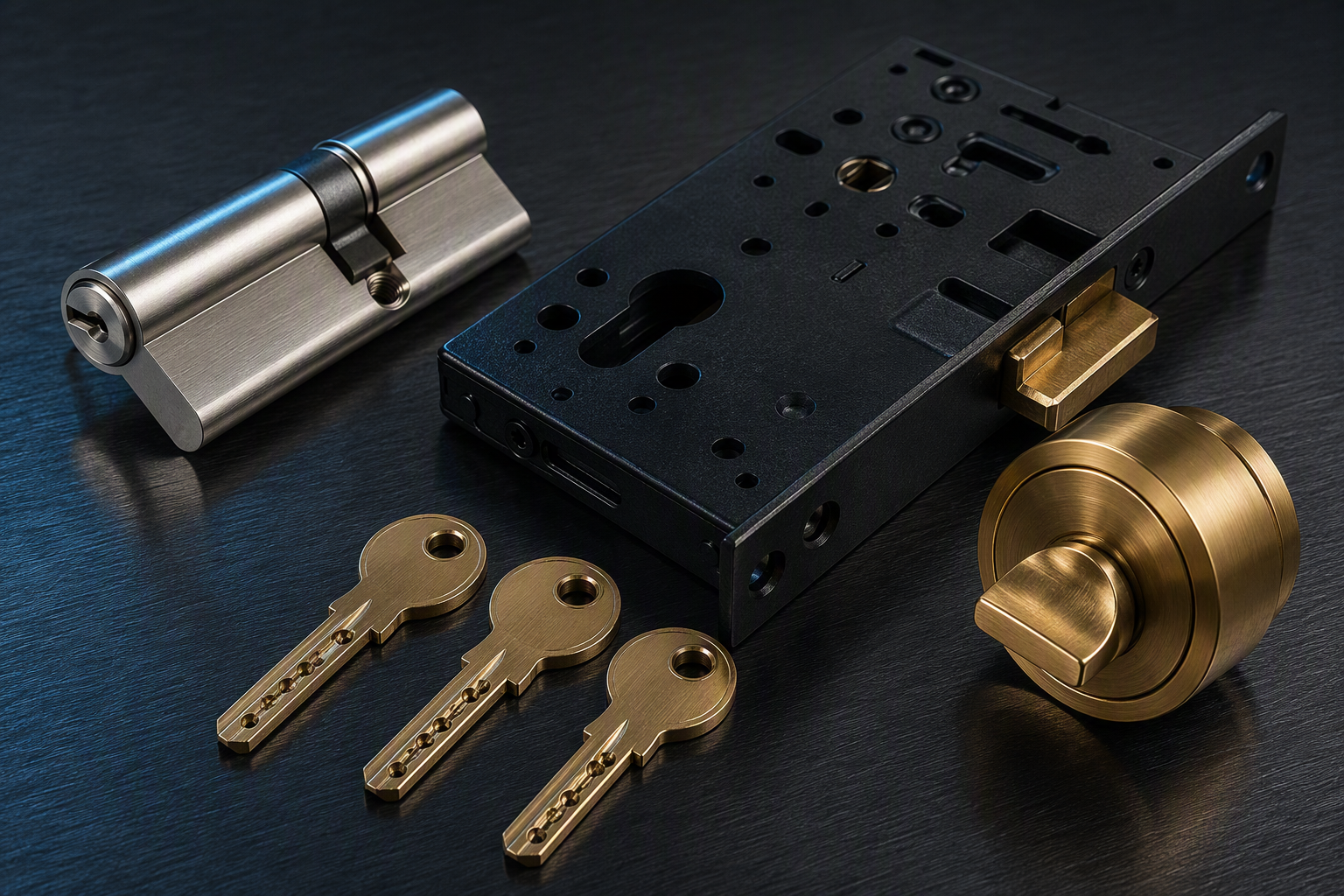
Ensuring spaces are accessible to everyone is a fundamental aspect of thoughtful design, whether for a home, an apartment building, or a commercial tenancy in Melbourne. A seemingly small detail like door hardware plays a significant role in creating an inclusive environment. Among the various options available, lever handles stand out as a superior choice when lever handle accessibility is a priority. Their design inherently supports a broader range of users, from young children and the elderly to individuals with mobility challenges or temporary injuries.
This article delves into why lever handles are often the preferred option for accessible door hardware. We will explore the ergonomic advantages they offer, discuss general considerations for selecting door hardware that promotes ease of use for all, and provide practical insights into choosing inclusive lock solutions for properties across Melbourne. Understanding these elements can help you make informed decisions that enhance the functionality and usability of your doors for every visitor and occupant.
The Advantages of Lever Handles for Ease of Use
Lever handles offer distinct ergonomic advantages that make them a cornerstone of inclusive design. Unlike traditional doorknobs, which require a firm grip and a twisting motion, lever handles operate with a simple downward press. This seemingly minor difference has a profound impact on usability for a diverse population.
Effortless Operation for All Abilities
The primary benefit of lever handles is the reduced effort required to open a door. Users can operate them using just one hand, a closed fist, an elbow, or even another part of their body if their hands are full or otherwise occupied. This makes them ideal for:
- Individuals with limited dexterity: Conditions like arthritis or carpal tunnel syndrome can make gripping and twisting a doorknob painful or impossible. Lever handles eliminate this barrier.
- People with reduced hand strength: Elderly individuals or those recovering from injuries often lack the grip strength needed for knobs.
- Parents with young children: Parents can easily open doors while carrying infants or groceries.
- Anyone carrying items: Whether it's a stack of documents or a box, the ability to open a door without freeing up a hand is a significant convenience.
Enhanced Safety and Convenience
Beyond ease of operation, lever handles contribute to overall safety and convenience. Their intuitive design means less fumbling, which can be particularly important in situations where quick egress is necessary. The extended surface area of a lever handle also makes it easier to locate and operate in low light conditions or for those with visual impairments. This contributes to a smoother, safer user experience throughout your property.
Promoting Universal Design Principles
The widespread adoption of lever handles aligns perfectly with universal design principles – the concept of creating environments and products usable by all people, to the greatest extent possible, without the need for adaptation or specialised design. By choosing lever handles, property owners and managers in Melbourne are investing in door hardware that benefits everyone, not just a specific segment of the population. This foresight reduces the need for future modifications and ensures spaces remain functional for occupants and visitors over time.
Meeting Accessibility Principles with Door Hardware
While specific building codes and accessibility standards exist, the core principle behind accessible door hardware is ensuring that anyone, regardless of physical ability, can operate a door independently and safely. For properties in Melbourne, this means considering the practical application of design principles that promote ease of use.
Key Considerations for Accessible Door Hardware
When selecting or upgrading door hardware, several factors contribute to its overall accessibility:
- Operability: The hardware should be easy to grasp and operate with minimal force. Lever handles excel here, requiring only a downward push rather than a twisting or pinching motion.
- Clearance: Ensure there is adequate clear space around the handle for a user's hand, especially if they are approaching from a wheelchair or have limited reach. Obstructions can defeat the purpose of an accessible handle.
- Mounting Height: Hardware should be mounted at a consistent, comfortable height, typically within a range that is accessible to both seated and standing individuals.
- Visual Contrast: For individuals with visual impairments, hardware that contrasts visually with the door surface can make it easier to locate.
- Tactile Feedback: Some hardware offers tactile cues, which can be beneficial, though the primary focus for lever handles remains their mechanical ease of use.
Understanding Door Hardware in Multi-User Environments
In buildings with multiple occupants or high foot traffic, such as apartment complexes or commercial spaces, the choice of door hardware becomes even more critical. For instance, in high-rise buildings, understanding the division of responsibility between private lots and the owners corporation for common property hardware can be complex. Owners Corporation vs. Private Lot: Lock Responsibility in Melbourne High-Rise Buildings offers valuable insights into these responsibilities, which often include communal entry points or doors within shared facilities. Ensuring these high-traffic doors are equipped with accessible lever handles benefits all residents and visitors.
Furthermore, in commercial settings, managing access for numerous staff members or tenants requires robust solutions. Implementing systems that incorporate accessible hardware, such as those found in Restricted and Master Key Systems Explained for Melbourne Properties, ensures that key control and accessibility can go hand-in-hand without compromising security or usability for any individual.
Choosing Inclusive Lock Solutions for All Users
Selecting the right door hardware involves balancing accessibility with security, durability, and aesthetic considerations. For properties in Melbourne, whether residential or commercial, the goal is to choose inclusive building design elements that serve everyone effectively.
Types of Lever Handles and Their Applications
Lever handles come in various styles and finishes, each suitable for different applications:
- Return-to-Door Levers: These levers curve back towards the door face, reducing the chance of clothing or personal items snagging on them. This design is often preferred in high-traffic areas.
- Straight Levers: Simple and contemporary, these offer a clean aesthetic. Ensure the end of the lever is rounded or smooth to prevent snagging.
- Heavy-Duty Levers: For commercial or high-use residential settings, levers made from robust materials like solid brass or stainless steel will withstand frequent operation and maintain functionality.
When considering the underlying lock mechanism, lever handles can be integrated with various types, including tubular latches for internal doors, mortice locks for enhanced security, or cylindrical locks. For heritage properties in Melbourne, where maintaining architectural integrity is key, it's often possible to find lever handles that complement traditional aesthetics, even when integrated with modern security features. Mortice Locks in Victorian-Era Terraces: Security and Aesthetics provides context on how traditional lock types can still offer practical security with appropriate hardware choices.
Material and Finish Considerations
The material and finish of lever handles impact both their durability and their tactile qualities. Smooth, non-slip finishes are generally preferred for ease of grip, while antimicrobial coatings can be beneficial in certain commercial or healthcare settings. Common materials include:
- Stainless Steel: Durable, corrosion-resistant, and easy to clean, making it a popular choice.
- Brass: Offers a classic look and can develop an attractive patina over time.
- Aluminium: Lightweight and cost-effective, suitable for many internal applications.
It's also important to consider the overall door system. For instance, on timber doors, the choice of lever handle often involves specific spindle and follower mechanisms, while aluminium and glass doors may require different mounting solutions. Understanding the specific components, such as those detailed in Understanding Australian Door and Lock Terminology, can help in making informed decisions.
Installation and Maintenance for Lasting Accessibility
Proper installation is crucial to ensure accessible hardware functions correctly from day one. Misaligned components or incorrect mounting heights can negate the benefits of choosing an accessible lever handle. Once installed, regular maintenance, including periodic lubrication and checking for loose screws, will ensure the hardware remains easy to operate and durable. Addressing any issues promptly helps maintain the accessibility features over the long term.
Frequently Asked Questions About Accessible Door Hardware
What is the main advantage of a lever handle over a doorknob for accessibility?
Lever handles require less dexterity and strength to operate. They can be pushed down with an open hand, forearm, or elbow, making them easier to use for individuals with arthritis, limited grip strength, or those carrying items, compared to doorknobs which require gripping and twisting.
Are all lever handles considered accessible?
While most lever handles are inherently more accessible than doorknobs, the most accessible designs typically feature a smooth, easy-to-grip surface, a lever that extends far enough from the door, and ideally, a return-to-door design to prevent snagging. Proper installation height and clear space around the handle are also critical for overall accessibility.
Can lever handles be used on all types of doors?
Yes, lever handles can be fitted to most door types, including timber, aluminium, and glass doors, and can be integrated with various locking mechanisms like mortice locks, tubular latches, and cylindrical locks. Specific hardware configurations may be needed depending on the door material and thickness.
Do I need special tools to install accessible door hardware?
While basic DIY tools might suffice for some replacements, professional installation by a qualified locksmith ensures the hardware is correctly fitted, operates smoothly, and meets all functional and security requirements. This is especially important for complex lock systems or when retrofitting existing doors.
How can I ensure my existing doors are more accessible?
Upgrading existing doorknobs to lever handles is often the most impactful change. Additionally, ensure door closers (if present) are set to an appropriate force, that there's clear space around the door, and that the door itself is easy to open and close. Consulting with a locksmith can provide tailored advice for your specific property.
Conclusion
The choice of door hardware plays a pivotal role in creating truly inclusive environments. By prioritising lever handle accessibility, property owners and managers in Melbourne can significantly enhance the usability and safety of their spaces for everyone. Lever handles offer superior ergonomics, requiring minimal effort and dexterity, making them an ideal choice for a diverse range of users. From residential apartments to busy commercial tenancies, selecting the right accessible door hardware contributes to a more welcoming and functional space for all.
When considering upgrades or new installations, remember that thoughtful design extends beyond aesthetics to practical usability. If you're looking to improve the accessibility of your property's doors, or need expert advice on choosing and installing suitable hardware, Kim Locksmith Melbourne Service is here to assist. We offer professional insights into solutions that balance ease of use with security and durability for your Melbourne property. For reliable advice and service, please contact Kim Locksmith Melbourne Service today or explore our comprehensive locksmith services.