Blog
Key Stamping and 'Do Not Duplicate' Markings: What They Mean for Key Control
Understand what 'key stamped do not duplicate' means for your Melbourne property's security. Learn about restricted key markings and best practices for managing key copies to enhance control over access.
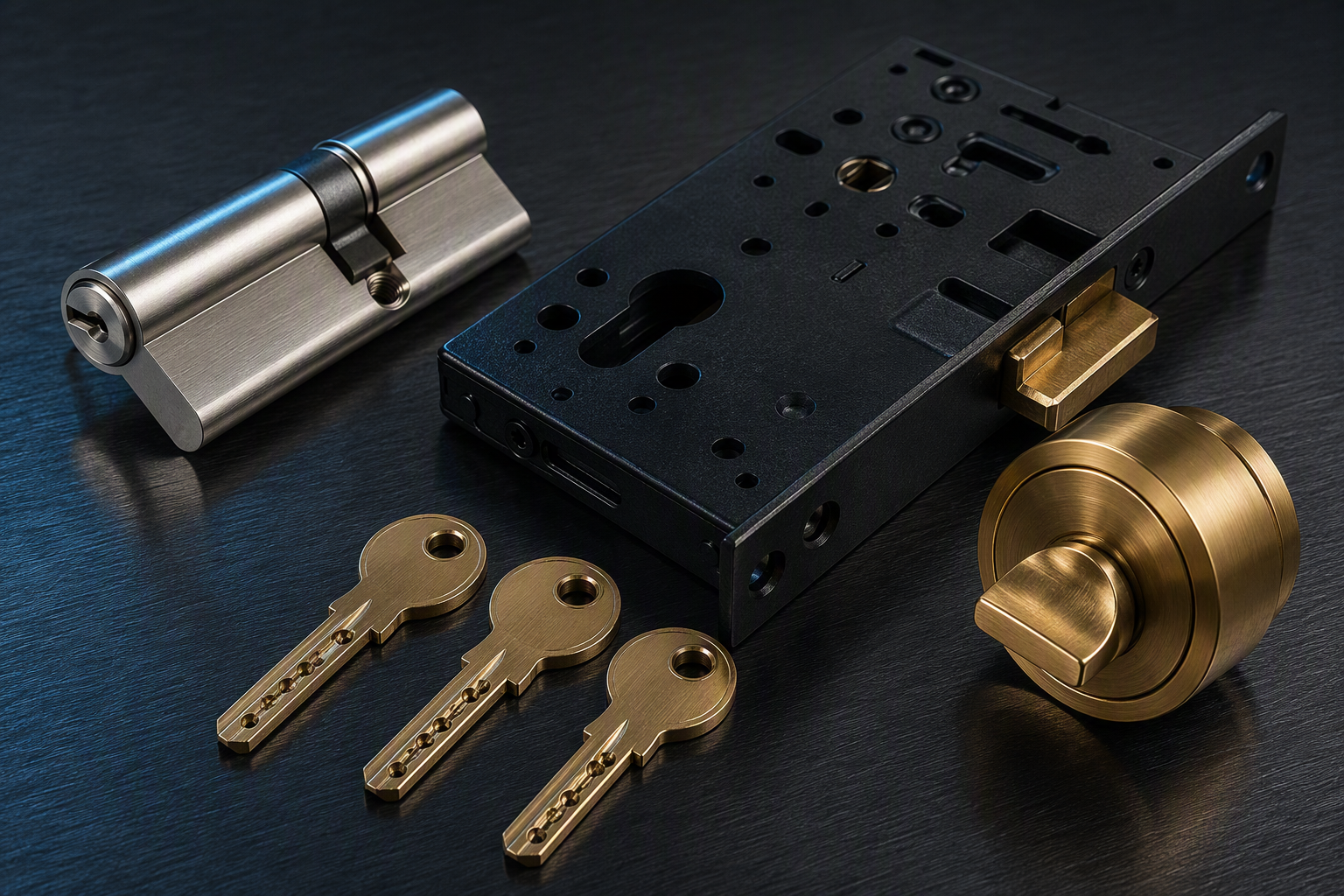
Many Melbourne property owners, residents, and business managers encounter keys with markings like "Do Not Duplicate" or "Restricted" stamped on them. These seemingly straightforward phrases carry significant implications for the security of your home or commercial premises. Understanding what "key stamped do not duplicate" truly means is crucial for effective key control. It’s not just a suggestion; it’s a security directive designed to manage who can obtain copies of your keys.
This article delves into the various forms of key stamping, from simple "Do Not Duplicate" messages to sophisticated restricted key systems. We will explore the practical and underlying intentions behind these markings, helping you understand their true impact on your property's security in Southbank, Melbourne CBD, and surrounding suburbs. By the end, you'll have a clearer picture of how to manage your keys more effectively, whether you're securing a family home, an apartment, or a small business tenancy.
Controlling access to your property begins with managing your keys. For those in Melbourne concerned about unauthorised key duplication, distinguishing between a generic "Do Not Duplicate" stamp and a patented restricted key system is essential for maintaining robust security. This guide aims to demystify these markings, providing you with the knowledge to make informed decisions about your property's lock and key security.
The Purpose of "Do Not Duplicate" Markings on Keys
The most common marking you might see on a key is "Do Not Duplicate" (DND). On the surface, this phrase suggests that the key should not be copied. However, the effectiveness of this warning often depends on the type of key and the system it belongs to. The primary purpose of such stamping is to discourage unauthorised copying and to provide a visual cue to key-cutting services.
In simpler terms, a "Do Not Duplicate" stamp on a standard key serves more as a request than a legally binding restriction. While many reputable key cutters will refuse to copy such a key without proper authorisation, it doesn't inherently prevent duplication if someone chooses to ignore the marking. The key's physical design and the legal framework around its patent are what truly determine its ability to be copied. For residential properties or small businesses using standard locks, a DND stamp can offer a basic layer of deterrence but does not guarantee key control.
More robust key control begins with genuinely restricted keys. These are part of a patented system where the key blanks themselves are protected by intellectual property rights. This means that only the authorised manufacturer or licensed locksmiths can produce the key blanks, and copies can only be made upon presentation of specific authorisation, typically by the property owner. This level of restriction is often sought by those managing multiple keys or properties, like landlords, property managers, or commercial entities in Melbourne's inner-city.
Understanding Restricted vs. Unrestricted "Do Not Duplicate" Keys
It's important to differentiate between an unrestricted key that simply has "Do Not Duplicate" stamped on it and a truly restricted key. An unrestricted "Do Not Duplicate" key typically uses a standard key blank that is readily available to any key cutting service. The stamp is a voluntary deterrent. The key's bitting (the cuts on the key) can easily be replicated if the correct blank is used.
Conversely, a restricted key is part of a patented system. The key blanks are unique and cannot be purchased or used by unauthorised parties. These keys are specifically designed to be controlled, and their duplication is only possible through a licensed locksmith who holds the specific patent for that key system and has the necessary authorisation from the registered client. This distinction is critical for anyone looking to implement robust key control for their Melbourne property. To learn more about advanced key systems, you might find our article on Restricted and Master Key Systems Explained for Melbourne Properties particularly insightful.
The Intent Behind Key Markings
The core intent behind any key marking relating to duplication is to provide a level of key control. For individuals, this might be to prevent previous tenants or contractors from easily making copies. For businesses, it's about controlling employee access and reducing the risk of lost or unreturned keys compromising security. In apartment buildings, especially those in Southbank or the CBD, managing keys for communal areas and individual units can be complex. Markings aim to add a layer of security by making it harder for unauthorised individuals to obtain duplicates, thereby enhancing the overall security of the premises.
Legal and Practical Implications of Key Stamping
The legal standing of "Do Not Duplicate" keys in Australia, particularly in Victoria, can be a point of confusion. While the stamp itself doesn't carry inherent legal weight to prevent duplication, the context in which the key is used, and whether it's part of a patented system, significantly alters its implications.
For a standard key stamped "Do Not Duplicate," a key cutter might decline to copy it based on ethical grounds or company policy, but there's generally no legal prohibition preventing them from doing so if they have the correct blank. This means that a simple stamp offers a practical deterrent but not an absolute barrier against key duplication. This is a common challenge for homeowners and small businesses who rely on these basic markings for security.
The situation changes dramatically with patented restricted key systems. These systems are legally protected by patents, which means the key blanks are proprietary. Duplicating these keys without explicit authorisation from the patent holder (typically the locksmith who set up the system) is a breach of intellectual property rights. This provides a much stronger legal and practical framework for key control. Only locksmiths licensed to work with that specific patented system can cut new keys, and they do so only with the property owner's registered authorisation. This ensures that a detailed audit trail of all duplicated keys is maintained, offering a significantly higher level of security for properties across Melbourne.
The Strength of Patented Key Systems
Patented key systems provide the most reliable form of key control. These systems involve unique key profiles that are legally protected, making it impossible for standard key cutting machines or unauthorised locksmiths to create duplicates. When you invest in a restricted key system, you register as the sole authorising signatory. This means that any request for additional keys must come directly from you and be verified by the locksmith.
This level of control is invaluable for various applications:
- Residential Properties: Homeowners can prevent previous residents or contractors from retaining unauthorised copies.
- Apartment Buildings: Especially relevant for properties in high-density areas like Southbank or Melbourne CBD, where managing access for multiple tenants, cleaning staff, or maintenance teams is critical. For insights into shared responsibilities, our blog on Owners Corporation vs. Private Lot: Lock Responsibility in Melbourne High-Rise Buildings offers valuable context.
- Commercial Tenancies: Small businesses can ensure that only current, authorised employees have access, simplifying key handover when staff change. You might find our article on Small Business Key Handover: Managing Access When Staff Change helpful in this regard.
Kim Locksmith Melbourne Service can assist property owners in understanding if their current keys are part of a patented system or advise on upgrading to one.
Strategies for Effective Key Management and Security
Beyond simply having keys stamped, implementing robust strategies for key management is paramount for any property owner or manager in Melbourne. Effective key control ensures that you always know who has access to your premises, significantly enhancing security.
One of the most effective strategies is to upgrade to a restricted key system. As discussed, these patented systems ensure that key blanks are not available on the open market, and duplicates can only be made by a licensed locksmith with explicit, recorded authorisation from the property owner. This completely removes the ambiguity surrounding "Do Not Duplicate" markings and provides tangible control over key distribution. For properties with multiple access points or users, a restricted key system can be invaluable.
For existing keys that are merely stamped "Do Not Duplicate" but are not part of a patented system, consider the level of risk. If security is a concern, especially after a change of tenants, staff, or lost keys, rekeying your locks might be a necessary step. Rekeying involves changing the internal pins of a lock so that old keys no longer work, while the lock mechanism itself remains. This is often more cost-effective than replacing the entire lock. Kim Locksmith Melbourne Service provides professional lock rekeying services to quickly restore your security.
Best Practices for Key Control
Implementing a few key practices can significantly improve your key management:
- Key Inventory: Keep a detailed record of all keys issued, noting who received them and for which locks. This applies to residential and commercial settings alike.
- Regular Audits: Periodically check that all issued keys are accounted for. This is particularly important for businesses with staff turnover or properties with common areas.
- Prompt Action for Lost Keys: If a key is lost or stolen, act quickly. For non-restricted keys, rekeying or replacing the affected locks is often the safest option. For restricted keys, immediate notification to your locksmith is crucial.
- Clear Policies: For commercial properties, establish clear policies for key issuance, return, and reporting lost keys. Educate staff on the importance of key security.
When moving into a new home in Melbourne, especially in areas like Southbank or Prahran, one of the first security measures should be to address the locks. Considering the unknown history of keys, rekeying is often advisable. Our Moving House Lock Checklist: Securing Your New Melbourne Home offers practical advice for this crucial transition.
Frequently Asked Questions About Key Stamping and Control
Can a locksmith legally copy a key stamped "Do Not Duplicate" in Australia?
For keys that are simply stamped "Do Not Duplicate" but are not part of a patented restricted key system, there is generally no legal barrier preventing a locksmith from copying it, although many reputable locksmiths will have policies against doing so without proper authorisation from the key's apparent owner. However, for keys that are part of a patented restricted system, copying them without the registered owner's authorisation is a breach of intellectual property law and cannot be done legally by any locksmith not authorised for that system.
What is the difference between a "restricted key" and a key with a "Do Not Duplicate" stamp?
A "Do Not Duplicate" stamp on a standard key is largely a request or deterrent, relying on the key cutter's discretion. A "restricted key," on the other hand, is part of a patented system where the key blank itself is proprietary and legally protected. Only licensed locksmiths who are part of that specific system can obtain the blanks and cut copies, always with explicit, recorded authorisation from the registered property owner.
How can I make sure my keys cannot be duplicated without my permission?
The most reliable way to prevent unauthorised key duplication is to install a patented restricted key system. This provides genuine key control, as only you, as the registered owner, can authorise new copies through a licensed locksmith. For residential or commercial properties in Melbourne, this offers a significant security upgrade over standard locks.
When should I consider upgrading to a restricted key system for my property?
Consider upgrading to a restricted key system if you have concerns about past tenants, employees, or contractors retaining copies of your keys, or if you need to maintain a strict audit trail of key distribution. This is particularly beneficial for landlords, property managers, small businesses, and anyone managing multiple properties or requiring enhanced key security for their Melbourne premises.
Enhancing Your Property's Key Security
Understanding what "key stamped do not duplicate" means is the first step towards better key control for your Melbourne property. While a simple stamp might offer a visual deterrent, true security and peace of mind come from implementing robust key management strategies. Whether you own an apartment in Southbank, a Victorian-era terrace in Fitzroy, or manage a commercial tenancy in the CBD, controlling who has access to your property is fundamental.
Kim Locksmith Melbourne Service is committed to providing clear, honest advice on your key control options. We can help you assess your current key systems, explain the benefits of upgrading to a patented restricted key system, or assist with rekeying services to enhance your immediate security. Our approach focuses on diagnosing your specific needs before recommending solutions, ensuring you receive the most appropriate and effective security measures.
For expert guidance on managing your keys and improving your property's overall security, contact Kim Locksmith Melbourne Service today. You can reach us at 03 4059 7723 or email info@kimlocksmithmelbourne.com. Let us help you implement a key control strategy that truly protects your Melbourne home or business.