Blog
Choosing Hardware for Heritage-Overlay Properties in Melbourne
Navigating heritage overlay rules for your Melbourne property? Learn how to choose appropriate door hardware that balances historical integrity with modern security needs.
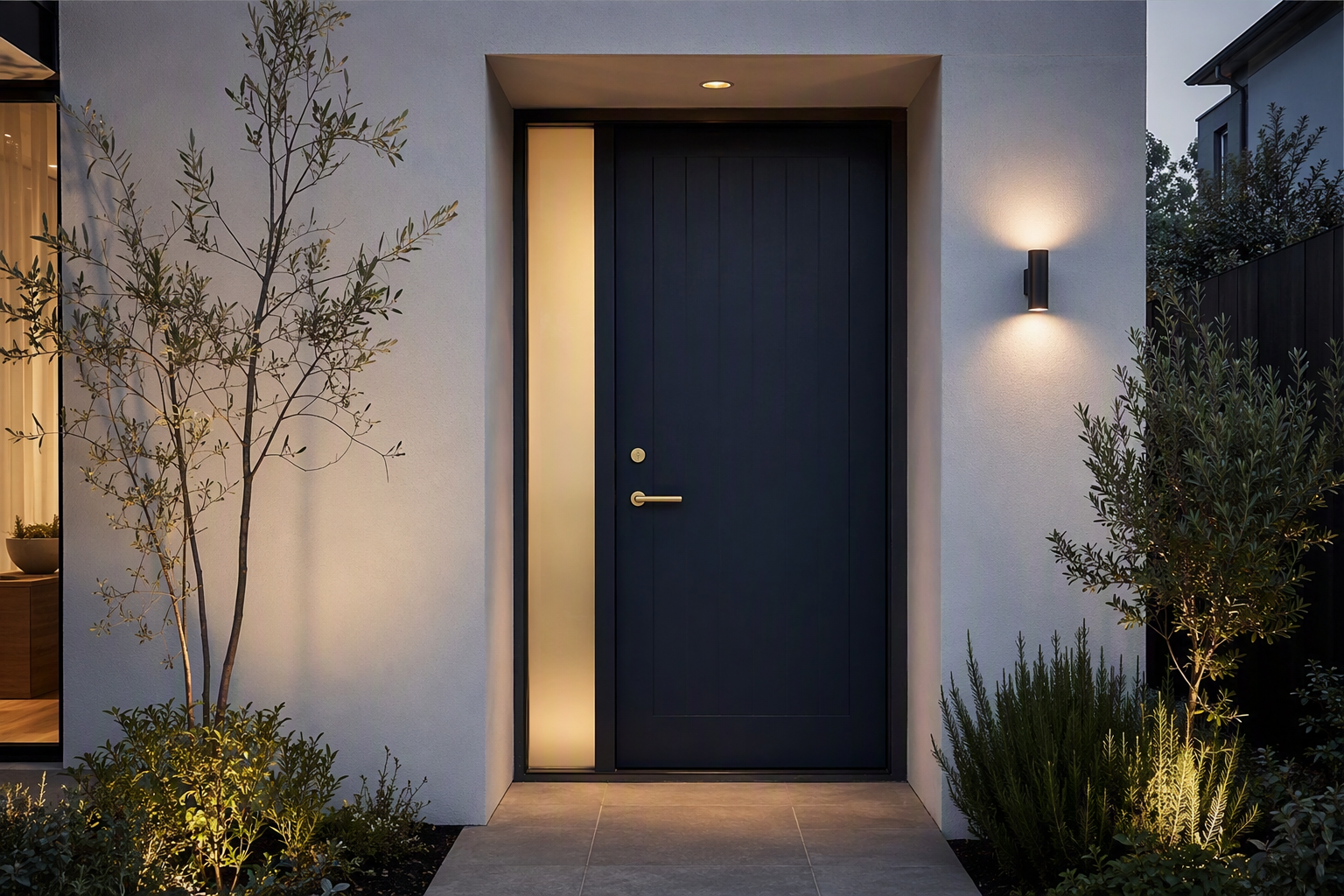
Melbourne's rich architectural history is a defining characteristic of many of its inner-city suburbs. From the grand Victorian terraces of Fitzroy to the Edwardian homes of Richmond, these properties carry a unique charm and cultural significance. However, owning a heritage-overlay property in Melbourne comes with specific considerations, especially when it comes to modifications like door hardware. Choosing heritage overlay door hardware isn't just about aesthetics; it's about respecting history while ensuring your property remains secure and functional in the 21st century.
The challenge lies in finding hardware that complements the period style of your home or business while still offering reliable protection. Modern security needs often clash with the designs of yesteryear, making informed choices crucial. This guide will walk you through understanding heritage regulations, balancing historical accuracy with contemporary security, and identifying suitable hardware styles for your unique Melbourne property. Whether you're an apartment resident, homeowner, or property manager, understanding these nuances is essential for preserving your property's integrity and value.
Navigating Heritage Overlay Regulations for Door Hardware
For owners of heritage-overlay properties in Melbourne, any external changes, including door hardware, are subject to specific planning controls. A Heritage Overlay is a planning tool used by local councils to protect places of cultural heritage significance. This means you can't simply replace an old lock or handle with any new model without potentially needing approval. The primary goal is to preserve the historic character and appearance of the building and its streetscape.
Understanding whether your property is affected by a Heritage Overlay is the first step. This information is typically available on your local council's planning scheme website or by obtaining a planning certificate. Once confirmed, you'll need to consult the relevant heritage policies, which often provide guidelines on appropriate materials, finishes, and designs for exterior elements like doors and windows. While internal hardware might have more leeway, visible external hardware such as door handles, knockers, and lock escutcheons are usually scrutinised. The regulations aim to prevent the introduction of hardware that appears anachronistic or out of place, ensuring the integrity of the property's historical aesthetic is maintained.
These regulations are not designed to be restrictive, but rather to safeguard Melbourne's architectural legacy. Often, councils encourage the repair and restoration of existing hardware where possible. When replacement is necessary, they typically advocate for "like-for-like" replacements or new hardware that is sympathetic to the original period and style. This involves sourcing reproductions or designs that accurately reflect the historical context of the building. Engaging with a local professional who understands these specific requirements can simplify the process significantly.
Balancing Authentic Aesthetics with Modern Security Needs
The inherent tension in heritage properties often lies between maintaining historical accuracy and integrating contemporary security measures. Older hardware, while beautiful, may not offer the same level of protection as modern locking systems. For example, a traditional rim lock from the Victorian era may look perfect, but it might not withstand forced entry attempts as effectively as a multi-point locking system or a high-quality deadbolt. The key is to strike a balance that satisfies both aesthetic and security demands.
One effective strategy is to separate the visible aesthetic hardware from the underlying security mechanism. For instance, a period-appropriate handle and escutcheon can be installed externally, while a modern, robust mortice lock or deadbolt can be discreetly fitted within the door. This allows you to preserve the visual character of the door without compromising on safety. In many cases, existing period locks can be expertly repaired or reconditioned by a skilled locksmith, allowing them to function reliably while retaining their original charm.
Considering the types of locks, a strong deadbolt is often a fundamental upgrade for any entry door, regardless of its heritage status. For properties with specific key control needs, such as rental units or commercial tenancies, integrating a Restricted and Master Key Systems Explained for Melbourne Properties can provide enhanced security and management capabilities, even when paired with historically appropriate external hardware. This thoughtful approach ensures that while your property maintains its historical integrity, it also provides peace of mind through effective contemporary security.
Recommended Hardware Styles for Heritage Properties
Selecting the right hardware for a heritage-overlay property involves a keen eye for detail and an understanding of period styles. The choice of materials, finishes, and designs can significantly impact the overall authenticity and appeal of your door. Melbourne's architectural eras, from Victorian to Edwardian and Art Deco, each have distinct hardware preferences.
For Victorian-era terraces, which are prevalent across inner Melbourne, classic brass or iron hardware is often suitable. This might include robust Mortice Locks in Victorian-Era Terraces: Security and Aesthetics paired with ornate brass or ceramic handles and escutcheon plates. Traditional knob sets, often with intricate detailing, were common. Finishes such as polished brass, antique brass, or oiled bronze can help capture the period look. It’s important to match the patina and style to the original hardware as closely as possible.
Edwardian homes, while still favouring natural materials, often feature slightly less ornate designs, leaning towards a blend of functionality and elegance. Here, sturdy timber doors might benefit from simpler brass or dark bronze handles and latch sets. For Art Deco properties, chrome or nickel finishes with geometric shapes and cleaner lines are more appropriate, reflecting the modernity of that era. Beyond the main entry, consider hardware for internal doors and gates that harmonises with the overall theme. Always consider the material of the door itself—timber, aluminium, or even glass—as this will influence compatible hardware choices.
The Role of a Local Locksmith in Heritage Overlay Projects
Undertaking modifications to a heritage-overlay property, particularly concerning security and aesthetics, can be complex. This is where the expertise of a local locksmith becomes invaluable. Kim Locksmith Melbourne Service, based in Southbank, has an understanding of Melbourne's unique architectural landscape and the specific challenges presented by heritage properties. Their approach focuses on diagnosing existing hardware before recommending solutions, ensuring that repairs, rekeying, or replacement are considered thoughtfully.
A specialist locksmith can assess your current door hardware, providing honest advice on whether original mechanisms can be repaired or restored to meet modern standards. They can source and install reproduction hardware that matches period styles, or integrate modern, high-security locks discreetly within existing door structures. This dual focus ensures both the historical integrity and the security of your property are upheld. For example, upgrading internal locking cylinders or reinforcing strike plates can significantly enhance security without altering the external appearance.
Kim Locksmith Melbourne Service communicates plainly, explaining the options available for your heritage hardware. This includes guiding you through suitable choices for timber, aluminium, or glass doors, as well as specialised hardware like euro-cylinders or mortice locks. They ensure that any work carried out respects the delicate balance required for heritage-overlay properties, making the process effortless for property owners and managers. If you're unsure about the condition of your existing locks, or need advice on appropriate upgrades, it's wise to begin with a consultation. You can also review Preparing Sensible Questions to Ask a Locksmith Before Agreeing to Work to help guide your initial discussions.
Frequently Asked Questions
Do I need council approval to change locks on a heritage property?
For external doors in heritage-overlay properties, significant changes to visible hardware often require planning approval from your local council. Minor repairs or "like-for-like" replacements of internal components might not, but it's always best to check with your council's planning department.
Can old heritage locks be made more secure?
Yes, often. A skilled locksmith can evaluate older locks to determine if they can be repaired, reinforced, or upgraded with modern internal mechanisms (like new cylinders) while retaining their original exterior components. Adding supplementary modern deadbolts can also enhance security without altering the heritage lock itself.
What materials are typically recommended for heritage door hardware?
Traditional materials like solid brass, cast iron, and bronze are commonly recommended for heritage properties, as they were historically used and develop a desirable patina over time. Finishes like polished brass, antique brass, oiled bronze, or matte black iron are often preferred, depending on the specific architectural period.
How can I ensure new hardware matches my heritage property's style?
It's crucial to research the specific architectural period of your property and identify typical hardware styles from that era. Look for reproductions or salvaged original pieces. A locksmith with experience in heritage properties can also help source appropriate hardware that meets both aesthetic and security requirements.
Conclusion
Choosing hardware for heritage-overlay properties in Melbourne is a nuanced process that requires careful consideration of both historical aesthetics and modern security. It's about respecting the past while living securely in the present. By understanding the regulations, balancing design with protection, and selecting appropriate period-style hardware, you can maintain the unique charm and value of your home or business.
The expertise of a local locksmith is invaluable in navigating these complexities. Kim Locksmith Melbourne Service is dedicated to providing honest advice and skilled workmanship, ensuring that your heritage property's door hardware is both beautiful and functional. Whether you need an existing lock repaired, a period-appropriate replacement, or a discreet security upgrade, a clear and straightforward approach will guide your decisions. To discuss your heritage property's lock needs or to seek advice, don't hesitate to Contact Kim Locksmith Melbourne Service today.