Blog
How to Diagnose a Lock Fault Before Calling a Locksmith in Melbourne
Experiencing a faulty door lock in Melbourne? Learn how to diagnose common lock problems yourself before calling a locksmith. This DIY troubleshooting guide helps you identify issues with sticking keys, loose handles, and more, empowering you to understand when a professional is needed.
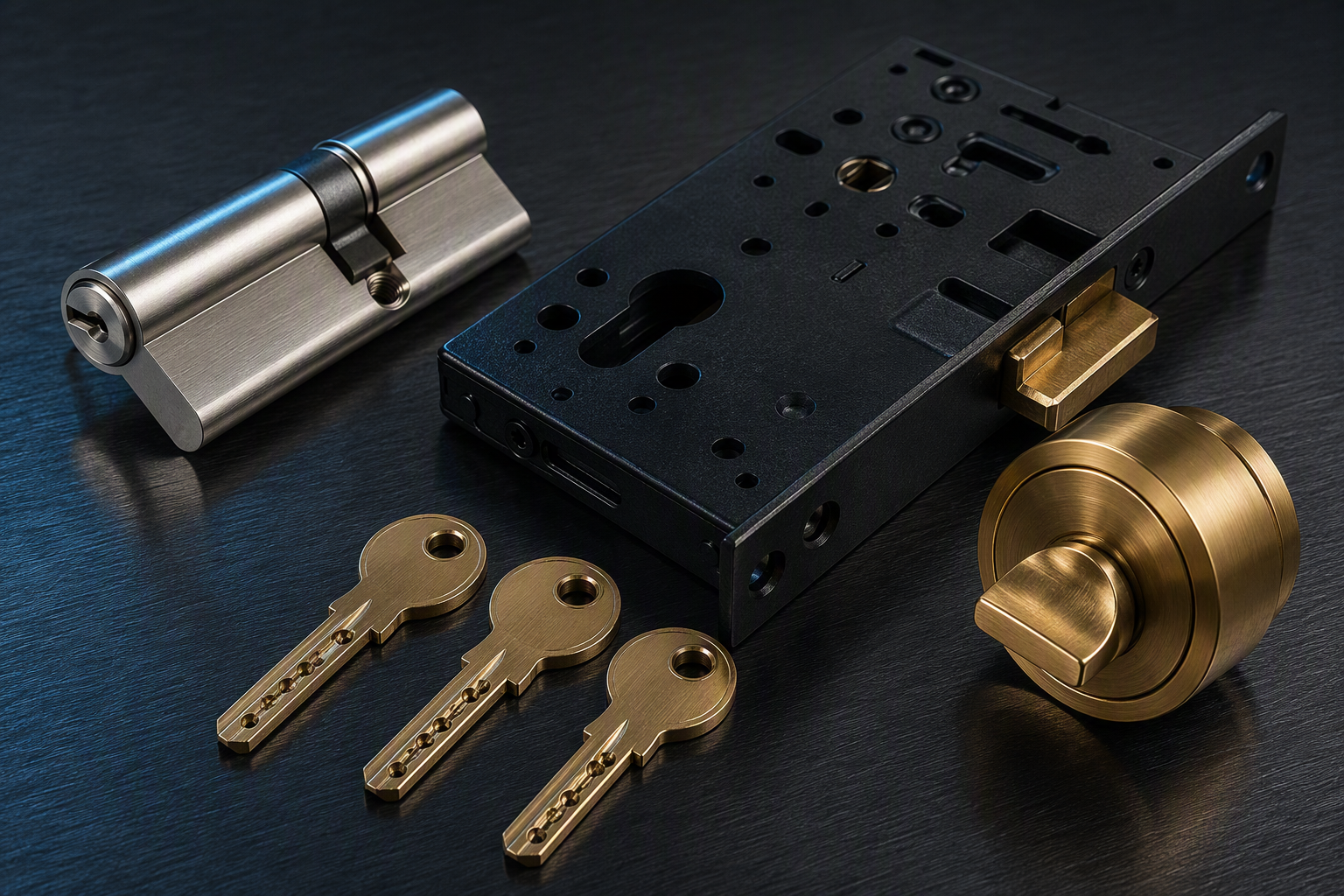
A faulty door lock can be a frustrating and inconvenient experience for any Melbourne homeowner or business owner. Before you reach for the phone to call a locksmith, taking a few moments to perform a simple lock diagnosis can often help clarify the problem, and sometimes even lead to a straightforward solution. Understanding the nature of the fault not only saves time but also allows for a more informed conversation with a professional if a repair or replacement is ultimately needed. This guide will walk you through identifying initial signs of trouble, provide a step-by-step approach to basic lock diagnosis, and help you determine when it's time to engage a professional locksmith.
From a stiff key that won't turn to a door that won't latch properly, common lock problems can stem from various causes, including wear and tear, environmental factors, or even minor obstructions. While some issues may require specialist tools and expertise, many symptoms can be understood and even addressed with a little patience and observation. By learning how to diagnose a lock fault, you empower yourself with knowledge about your property's security hardware. Kim Locksmith Melbourne Service believes in clear communication and an honest approach, starting with understanding the problem at hand. This article aims to provide you with the foundational knowledge to effectively troubleshoot your door lock issues, ensuring you make the best decision for your home or business.
Identifying Initial Signs of Lock Trouble
Before diving into detailed diagnostics, pay attention to the initial signs your lock might be giving you. These early indicators can often point towards the root cause of the problem. Recognising these symptoms quickly can prevent minor issues from escalating into more significant security or functionality concerns.
Key Is Sticking, Stiff, or Difficult to Turn
One of the most common complaints is a key that doesn't operate smoothly. It might feel like it's catching, requiring excessive force, or simply refusing to turn at all. This can happen whether you're trying to lock or unlock the door.
- Catching or resistance: You insert the key, but it doesn't glide in easily. When you try to turn it, there's noticeable friction or a hard stop.
- Requires jiggling or force: You find yourself wiggling the key or pushing harder than usual to get the lock to engage or disengage. This often suggests internal mechanism issues or key wear.
- Key turns partially but doesn't operate: The key might rotate slightly but fails to throw the bolt or release the latch, indicating a potential misalignment or internal component failure.
Handle Is Loose, Sagging, or Not Engaging the Latch
The door handle, whether a knob or a lever, should feel firm and operate smoothly. Any looseness or malfunction here directly impacts how the latch works.
- Wobbly handle: The handle moves excessively when gripped, suggesting loose screws or worn internal springs.
- Sagging lever: Lever handles, in particular, may droop downwards even when not in use, indicating spring failure within the handle set.
- Handle turns but latch doesn't retract: You turn the handle, but the latch bolt remains extended, preventing the door from opening. This points to a disconnect between the handle mechanism and the latch.
Door Not Latching or Remaining Ajar
A door that won't latch securely compromises both privacy and security. This can be particularly problematic for security doors or entry points.
- Latch bolt doesn't extend: The small, spring-loaded bolt on the edge of the door doesn't pop out when the door is closed, meaning the door isn't held shut by the lock.
- Latch bolt hits the frame: The latch bolt extends but collides with the door frame instead of entering the strike plate hole. This is a clear sign of door or frame misalignment.
- Door springs open: Even if it seems to latch, the door might pop open with a gentle push, indicating the latch isn't holding firmly within the strike plate.
Grinding Noises or Unusual Resistance During Operation
Auditory cues can be very telling. Any sounds out of the ordinary when you're using your lock should be investigated.
- Scratching or grinding: You hear metallic scraping noises when inserting, withdrawing, or turning the key. This often indicates friction, debris, or worn components inside the cylinder or mechanism.
- Clicking or clunking: Unusual clicks or clunks can suggest a spring issue, a broken part, or an obstruction within the lock body as components attempt to move.
- Excessive resistance: Beyond a stiff key, if the entire operation feels exceptionally hard, as if something is blocking the mechanism's path, it requires further inspection.
These initial observations form the basis of your DIY lock troubleshooting efforts. By noting these specific symptoms, you're better equipped to narrow down the potential problems and decide on the next course of action.
Step-by-Step Guide to Basic Lock Diagnosis
Once you've identified the initial symptoms, it's time to perform a more systematic lock diagnosis. This step-by-step approach helps you methodically check common problem areas, allowing you to isolate the fault. Remember to work carefully and avoid forcing components.
1. Check the Key Itself
Often, the problem isn't the lock, but the key. This is a simple but crucial first step.
- Inspect the key for damage: Look for any bends, twists, cracks, or excessive wear on the teeth (bitting). A damaged key can bind inside the lock cylinder or fail to engage the internal pins correctly.
- Ensure it's the correct key: It sounds obvious, but in a busy household or business, it's easy to grab the wrong key. Verify it's the right key for that specific lock.
- Try a spare key: If you have a spare key that's been used less frequently, try it. If the spare works smoothly, your primary key is likely worn or damaged. For more on key control, consider reading about Key Stamping and "Do Not Duplicate" Markings: What They Mean for Key Control.
2. Inspect the Lock Cylinder and Keyway
The cylinder is where the key is inserted. Problems here can prevent the key from turning.
- Look for obstructions: Shine a light into the keyway. Is there any foreign material like dirt, lint, or a broken key fragment? Even small debris can prevent pins from moving freely.
- Check for alignment: Sometimes, the cylinder itself can become slightly misaligned within the door. If the keyway looks crooked or feels loose, this could be the issue.
- Lubricate the cylinder: A dry or dirty cylinder can cause a key to stick. Use a graphite-based lubricant or a dry lock spray (avoid oil-based lubricants as they can attract dirt). Spray a small amount into the keyway and gently work the key in and out, turning it carefully. For specific advice on maintaining your locks in Melbourne's unique climate, refer to Lock Maintenance and Lubrication for Melbourne's Humid and Bayside Conditions.
- Euro Cylinder specifics: If you have a euro cylinder lock, ensure it hasn't shifted. These are common in apartments and can sometimes protrude too much or too little. If you suspect an issue with its sizing, our guide on A Guide to Euro Cylinder Sizing and Measurement for Australian Doors might be helpful.
3. Examine the Latch and Bolt Mechanism
The latch and bolt are the parts that physically secure the door to the frame.
- Visual inspection of the latch/bolt: Open the door and observe the latch bolt (the angled spring-loaded part) and any deadbolt. Are they bent, corroded, or damaged?
- Check for smooth operation: With the door open, turn the handle or key. Does the latch bolt retract fully and smoothly? Does the deadbolt extend and retract without resistance? If not, there might be internal issues with the lock body. For a deeper understanding of these components, explore Deadlatch vs. Deadbolt: Understanding Australian Lock Terminology.
- Tighten screws: Remove the faceplate screws on the edge of the door (if applicable) and tighten any visible screws holding the lock body in place. Loose screws can cause misalignment.
4. Assess the Strike Plate and Door Frame
The strike plate is the metal plate on the door frame that the latch and bolt engage with. Misalignment here is a very common cause of door problems.
- Check strike plate alignment: Close the door slowly and observe where the latch and deadbolt meet the frame. Are they perfectly aligned with the holes in the strike plate? If the latch or bolt is hitting the top, bottom, or side of the hole, it's a misalignment issue. You might see scrape marks on the plate or frame.
- Inspect for damage: Is the strike plate bent, loose, or cracked? Are the screws holding it in place loose? Tighten any loose screws.
- Consider door sag or shift: Over time, doors can sag, or door frames can shift, especially in Melbourne's changing weather. This slight movement can throw off the alignment of the lock components with the strike plate.
5. Evaluate Door Alignment and Hinges
Sometimes the lock itself isn't the problem, but the door it's attached to.
- Check door swing: Does the door swing freely without catching on the frame or floor?
- Inspect hinges: Are the hinges loose, bent, or heavily corroded? Loose hinges allow the door to sag, leading to misalignment. Tighten any loose hinge screws. If the screws are stripped, you may need to replace them with longer ones or use wood filler.
- Seasonal changes: Timber doors and frames can swell and contract with changes in humidity and temperature, a common occurrence in Melbourne. This can cause doors to bind or locks to misalign seasonally. Our article on Understanding Why Doors Bind Seasonally as Timber Frames Move in Melbourne offers more insights into this phenomenon.
By systematically going through these steps, you can often identify a simple fix or, at the very least, pinpoint the exact nature of your faulty door lock. This detailed observation will be invaluable if you need to call a professional.
When to Contact a Professional Locksmith
While DIY lock troubleshooting can be effective for minor issues, there are clear instances where a professional locksmith's expertise is essential. Attempting complex repairs without the right knowledge or tools can often worsen the problem, lead to further damage, or compromise your security.
When the Problem is Beyond a Simple Fix
If your basic diagnosis reveals issues that aren't resolved by lubrication, tightening screws, or clearing simple obstructions, it's time to call in the experts.
- Internal mechanism failure: If the key turns but doesn't engage the bolt, or the handle spins freely without operating the latch, there's likely an internal component failure within the lock body. These complex mechanisms require specialized knowledge to repair or replace.
- Broken or jammed parts: A key broken inside the lock, a seized cylinder, or a bent deadbolt that won't retract are situations best handled by a professional. Forcing these issues can cause more extensive damage to the door or frame.
- Severe misalignment: If your door or frame has significantly shifted, leading to major misalignment between the lock and strike plate, it might require adjustments to the door, frame, or the installation of a new strike plate.
- Lock replacement needed: When a lock is old, heavily worn, or has suffered significant damage, repair may not be cost-effective or even possible. A professional can advise on suitable replacements and handle the installation.
When Security is Compromised
Any situation that leaves your property vulnerable should immediately prompt a call to a professional locksmith.
- Damaged or forced entry attempts: If your lock has been tampered with or damaged in an attempted break-in, it needs to be assessed and potentially replaced immediately to restore security.
- Non-functional security locks: If your deadbolt, multi-point locking system, or restricted key system is not working correctly, the security of your home or business is at risk.
- Lost or stolen keys: While not a mechanical fault, lost or stolen keys necessitate a rekeying or lock replacement to ensure unauthorised access is prevented. Kim Locksmith Melbourne Service offers lock rekeying services to render old keys useless.
For Specific Hardware or Door Types
Certain types of locks and doors require specialized knowledge due to their complexity or unique installation requirements.
- High-security or restricted key systems: These systems are designed for enhanced security and key control. Problems with them often require the specific tools and knowledge of a locksmith. For businesses or apartment buildings using such systems, understanding Restricted and Master Key Systems Explained for Melbourne Properties can be beneficial.
- Mortice locks in period homes: Older properties in Melbourne, particularly Victorian-era terraces, often feature intricate mortice locks. These require a delicate touch and understanding of heritage hardware. Our insights on Mortice Locks in Victorian-Era Terraces: Security and Aesthetics highlight their unique nature.
- Multi-point locking systems: Common in modern apartment doors, these systems engage at multiple points along the door frame and are more complex than standard locks.
- Glass, aluminium, or sliding doors: These materials and door types often use specific hardware that differs from traditional timber doors. For example, Choosing Aluminium Sliding Door and Screen Door Hardware in Melbourne requires particular expertise.
When You Value Professional Assurance
Sometimes, the peace of mind that comes from a professional assessment and repair is worth the call.
- Diagnostic before replacement: Kim Locksmith Melbourne Service prides itself on diagnosing issues thoroughly before recommending a replacement. This ensures you receive an honest assessment and the most appropriate solution, whether it's a repair, rekey, or new installation.
- Expert advice: A professional can offer advice on improving your home or business security, suggesting appropriate upgrades or maintenance routines tailored to your specific needs.
- Efficiency and reliability: Attempting a complex repair yourself can be time-consuming and may not yield a lasting solution. A professional locksmith brings efficiency and reliability, ensuring the job is done correctly.
When faced with a stubborn or complex lock fault, don't hesitate to contact Kim Locksmith Melbourne Service. Our local Southbank team is equipped to handle a wide range of residential and commercial lock issues throughout inner-city Melbourne. Preparing sensible questions to ask a locksmith before agreeing to work can also be very helpful. Our blog post, Preparing Sensible Questions to Ask a Locksmith Before Agreeing to Work, offers excellent guidance on this. We believe in clear communication and providing honest, effective solutions.
Frequently Asked Questions About Lock Faults
Q: Why is my key suddenly difficult to turn in the lock?
A: This is a common issue that could be due to several factors. First, check if the key itself is bent or worn. Then, inspect the keyway for any debris. Often, a lack of lubrication or accumulated dirt within the lock cylinder can cause stiffness. Try lubricating the cylinder with a graphite-based or dry lock spray. If the problem persists after these steps, the internal mechanism might be worn or damaged.
Q: My door handle is loose and wobbly. Is this a serious problem?
A: A loose or wobbly door handle typically indicates that the screws securing the handle to the door are loose, or the internal spring mechanism within the handle set is worn or broken. While it might seem minor, it can lead to the latch not engaging properly, compromising the door's ability to stay closed and locked. Tightening the screws is a good first step, but if the spring is broken, the handle set will likely need to be repaired or replaced.
Q: My door won't latch shut, it just bounces open. What's wrong?
A: This usually points to an alignment issue between the latch bolt on the door and the strike plate on the door frame. Over time, doors can sag, or frames can shift slightly. Check if the latch bolt is hitting the top or bottom of the strike plate opening instead of sliding cleanly into it. Loose hinges can also cause the door to sag. You can try tightening hinge screws or adjusting the strike plate slightly, but significant misalignment may require a professional assessment.
Q: Can I use WD-40 or similar oil-based products to lubricate my lock?
A: It's generally advised to avoid oil-based lubricants like WD-40 for lock cylinders. While they might provide temporary relief, they tend to attract dust and grime over time, leading to a sticky build-up that can worsen the problem and eventually seize the lock. For best results, use a dry lubricant like graphite powder or a PTFE-based (Teflon) lock spray specifically designed for lock mechanisms.
Q: How do I know if I need to repair my lock or replace it entirely?
A: A professional locksmith can provide the best advice. Generally, if the lock is relatively new, of good quality, and the fault is minor (e.g., a simple spring replacement, a cleaning, or minor adjustment), repair is often a viable option. However, if the lock is old, severely worn, has broken internal components, or has been compromised by a forced entry attempt, replacement is usually the more secure and cost-effective solution. Kim Locksmith Melbourne Service focuses on diagnosing before replacing, ensuring you get the most appropriate solution.
Conclusion
Understanding how to diagnose a lock fault can empower you to tackle minor issues and communicate more effectively with a professional when expert help is needed. By carefully checking your key, inspecting the lock cylinder, examining the latch and bolt, and assessing the strike plate and door alignment, you can often identify the root cause of common lock problems in Melbourne properties. From simple lubrication to tightening loose screws, many issues have straightforward solutions.
However, it's crucial to recognise when a problem is beyond DIY troubleshooting. If you encounter internal mechanism failures, damaged components, compromised security, or issues with specialized hardware like multi-point locks or restricted key systems, engaging a professional locksmith is always the safest and most reliable course of action. Kim Locksmith Melbourne Service is a local Southbank locksmith dedicated to providing honest and effective solutions, diagnosing your lock's issue before recommending a repair, rekey, or replacement.
Don't let a faulty door lock compromise your peace of mind or security. When you need expert assistance with your residential or commercial locks across inner-city Melbourne, contact Kim Locksmith Melbourne Service. We make communication effortless – you can reach us at 03 4059 7723 or email info@kimlocksmithmelbourne.com. Our physical address at 119 Kavanagh St, Southbank VIC 3006 is also available for your convenience, clickable for Google Maps directions.